Grouping is our editorial classification or the manufacturer’s published specification. Rackets with a dated UK price are listed first; order is not a ranking and retailer commission plays no part.
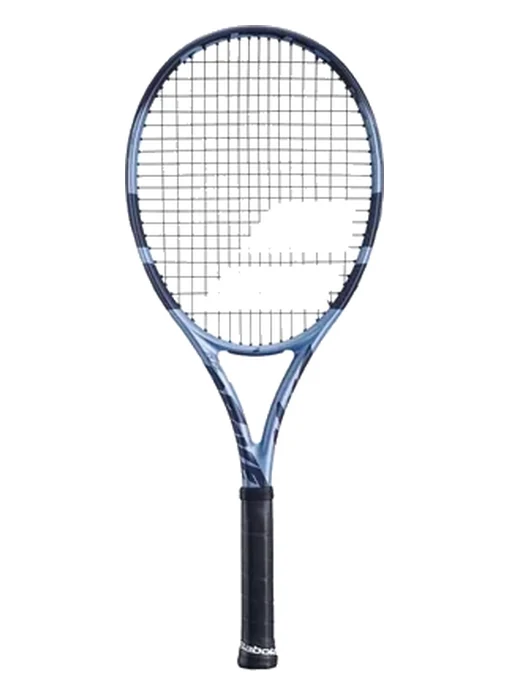
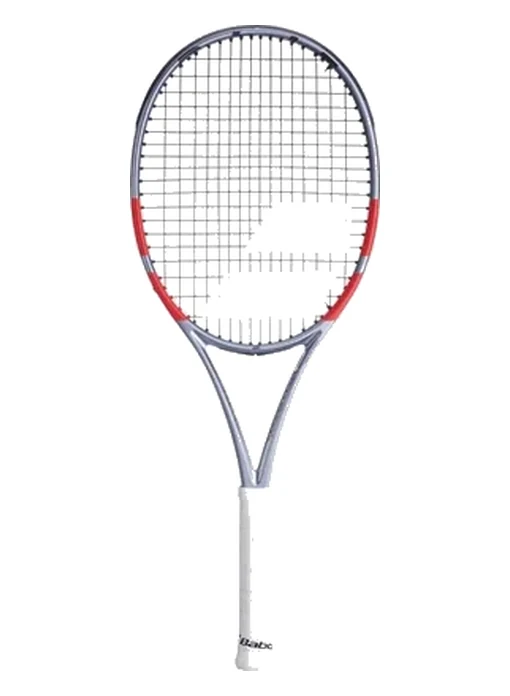
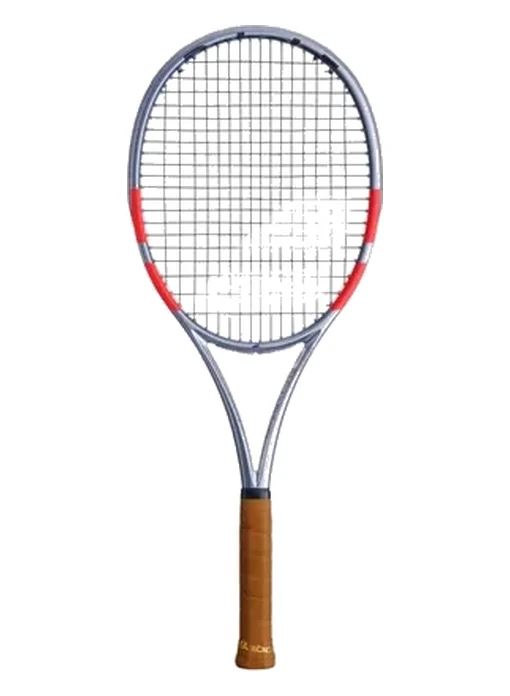
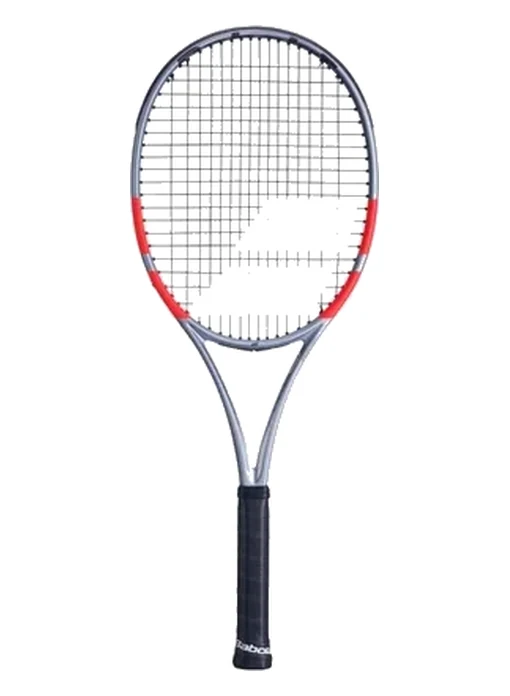
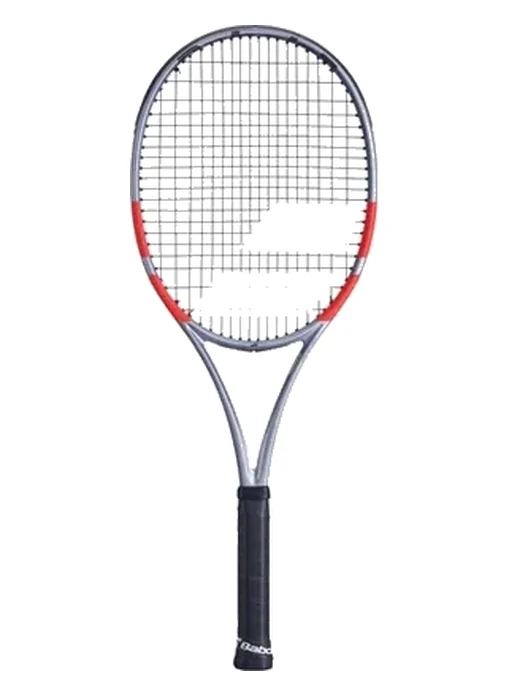
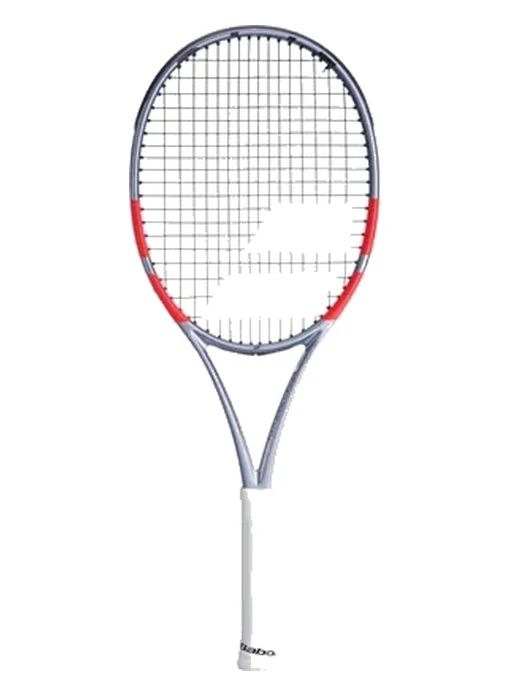
Product photograph: All Things Tennis ↗ Babolat The Pure Drive with a smaller 98 sq in head, for players who make their own pace.
£165.90 Tennis-Point, unstrung, checked 20 November 2026 Check at Tennis-Point ↗ Trade-off: The smaller head asks for cleaner contact. And at 305 g it’s actually heavier than the standard Pure Drive, not lighter.
Add to compare Save to locker
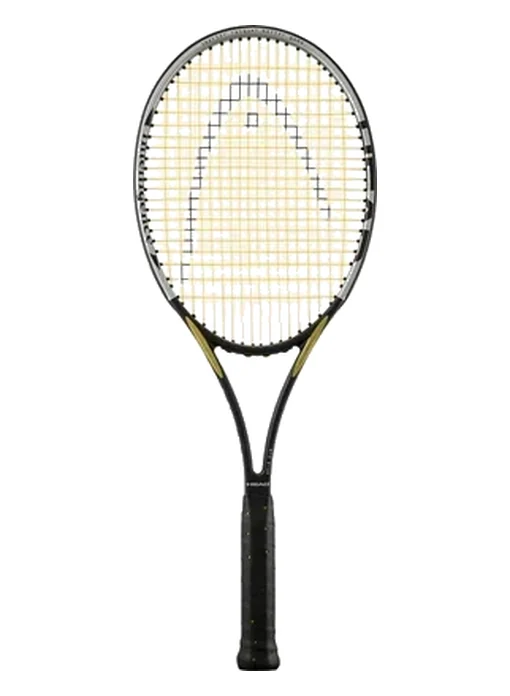
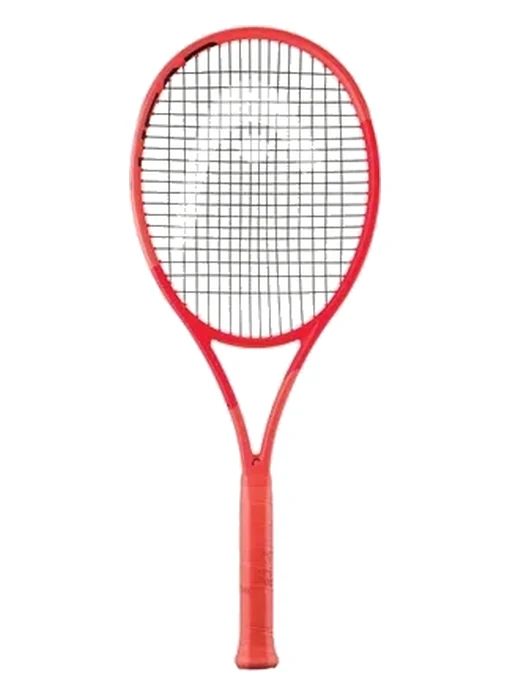
Product photograph: All Things Tennis ↗ Head A 25th-anniversary Prestige revival with a compact 95 sq in head, dense 18×20 pattern and substantial 320 g unstrung weight for experienced players who prioritise precision.
£191.99 Tennisnuts, strung, checked 21 November 2026 Check at Tennisnuts ↗ Trade-off: At 320 g unstrung with a 95 sq in head and dense 18×20 pattern, it is a demanding option; compare it with a current Prestige before choosing it for regular club play.
Add to compare Save to locker
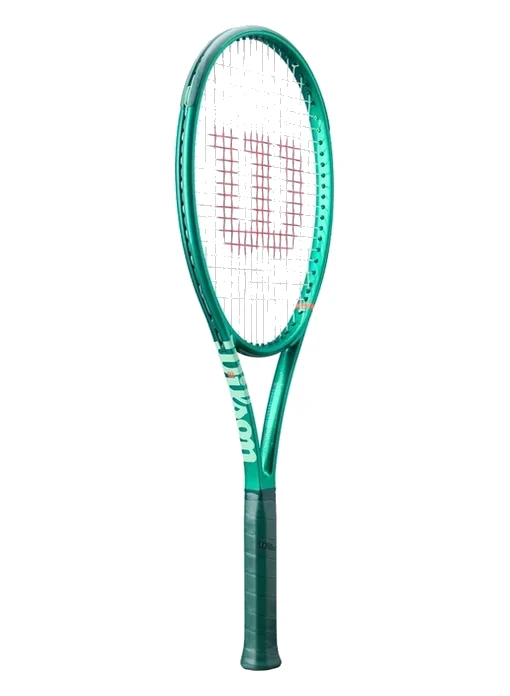
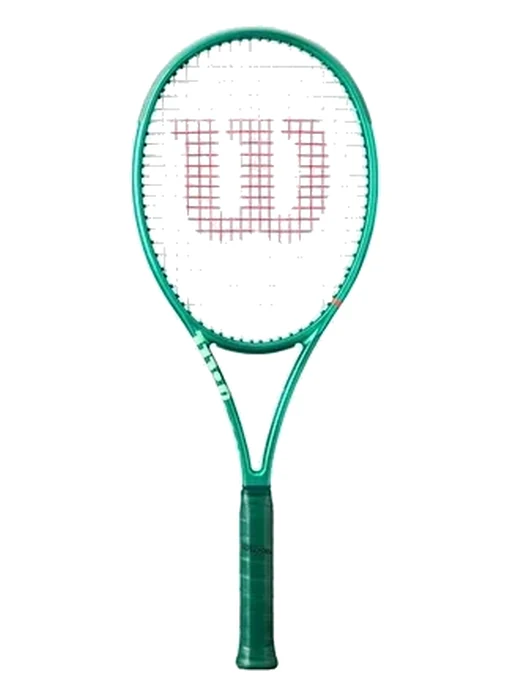
Product photograph: Wilson ↗ Wilson A 305 g Blade for players who prioritise placement and make their own pace.
£179.90 Tennis-Point, unstrung, checked 23 November 2026 Check at Tennis-Point ↗ Trade-off: The 98 sq in head asks for clean contact. Stretched wide or late on a quick return, there’s less frame to bail you out. The Blade 100 gives you a little more room.
Add to compare Save to locker
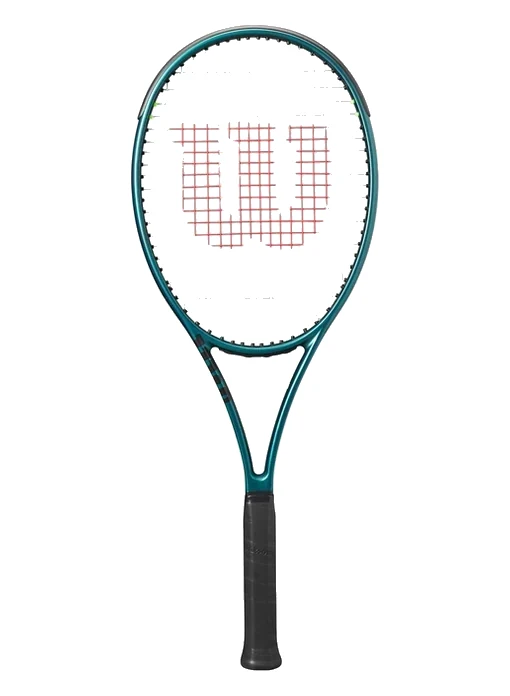
Product photograph: Tennis-Point UK ↗ Wilson The previous Blade 98, for players with full, confident swings.
£134.90 Tennis-Point, unstrung, checked 23 November 2026 Check at Tennis-Point ↗ Trade-off: It’s less forgiving when you’re late or off-centre. If keeping the ball deep takes too much effort, try a 100 sq in frame.
Add to compare Save to locker
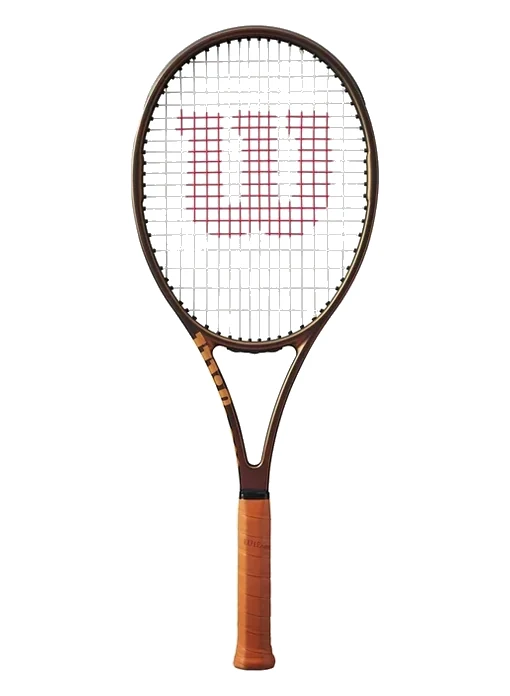
Product photograph: Tennis-Point UK ↗ Wilson A heavy, small-headed racket: 315 g with a 97 sq in head.
£142.90 Tennis-Point, unstrung, checked 22 November 2026 Check at Tennis-Point ↗ Trade-off: The weight and small head make rushed shots hard work. If you want easy handling, look elsewhere.
Add to compare Save to locker
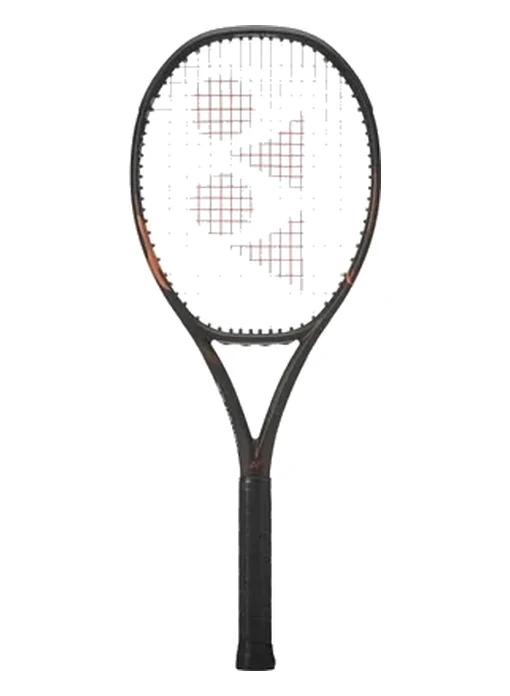
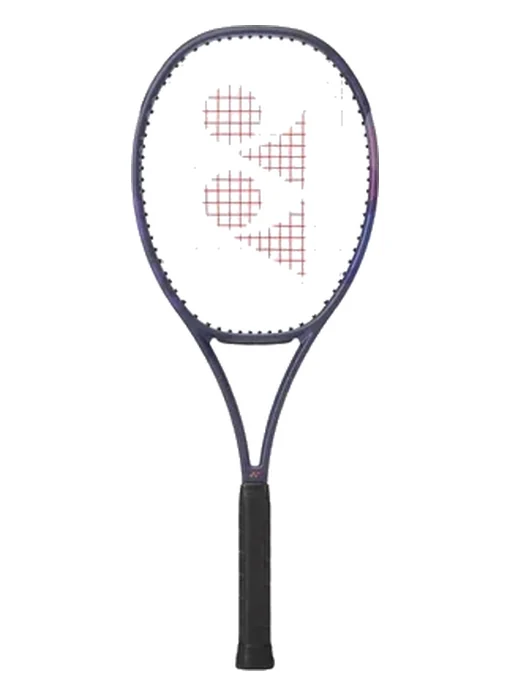
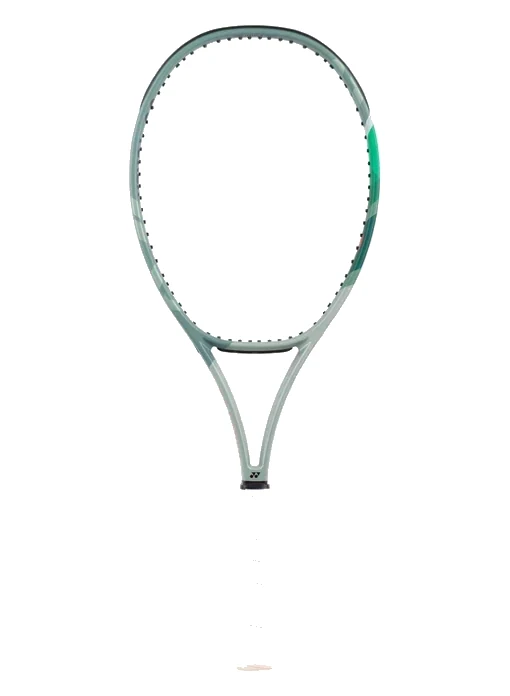
Product photograph: All Things Tennis ↗ Yonex An EZONE with a 98 sq in head, for players who make consistent contact.
£229.99 All Things Tennis, unstrung, checked 23 November 2026 Check at All Things Tennis ↗ Trade-off: The smaller head makes late and defensive contact harder. Check you still get useful depth when you’re tired.
Add to compare Save to locker
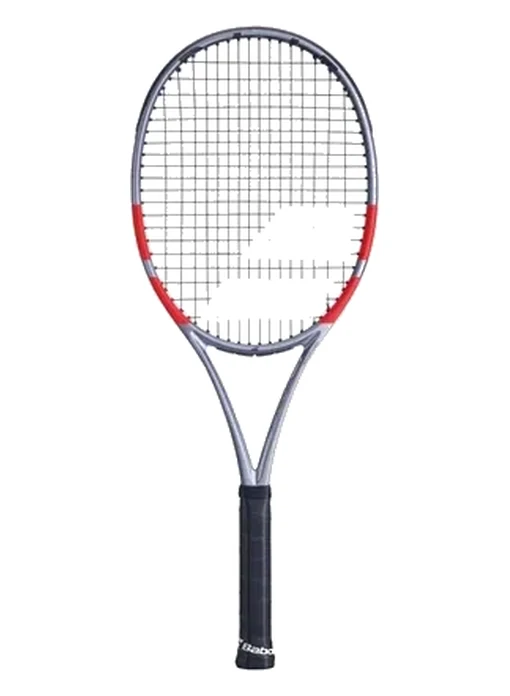
Product photograph: All Things Tennis ↗ Babolat 300 g and 100 sq in: a current Pure Strike option to compare if you want more predictable placement on committed swings.
No recent UK quote recorded.
Trade-off: Check that any extra depth or spin remains predictable when you accelerate. A specification advantage is not a guarantee that you will play better.
Add to compare Save to locker
Product photograph: All Things Tennis ↗ Babolat 305 g and 100 sq in: a current Pure Strike option to compare if you want more predictable placement on committed swings.
No recent UK quote recorded.
Trade-off: Check that any extra depth or spin remains predictable when you accelerate. A specification advantage is not a guarantee that you will play better.
Add to compare Save to locker
Product photograph: All Things Tennis ↗ Babolat 310 g and 97 sq in: a current Pure Strike option to compare if you want more predictable placement on committed swings.
No recent UK quote recorded.
Trade-off: The static weight makes late preparation and long-session handling part of the test; judge returns and serves when you are tired.
Add to compare Save to locker
Product photograph: All Things Tennis ↗ Babolat 305 g and 98 sq in: a current Pure Strike option to compare if you want more predictable placement on committed swings.
No recent UK quote recorded.
Trade-off: The smaller head asks for cleaner contact. Compare defensive depth and off-centre shots as well as your best full swings.
Add to compare Save to locker
Product photograph: All Things Tennis ↗ Babolat 285 g and 100 sq in: a current Pure Strike option to compare if you want more predictable placement on committed swings.
No recent UK quote recorded.
Trade-off: The lower static weight can make preparation easier, but test stability against pace and blocked returns before assuming lighter is better.
Add to compare Save to locker
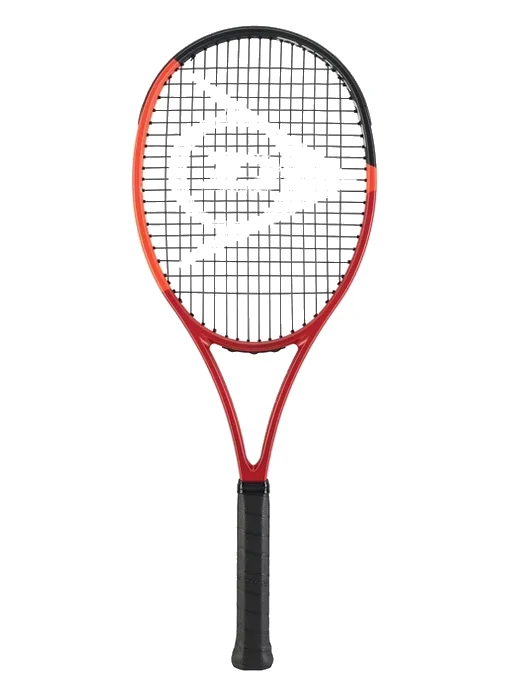
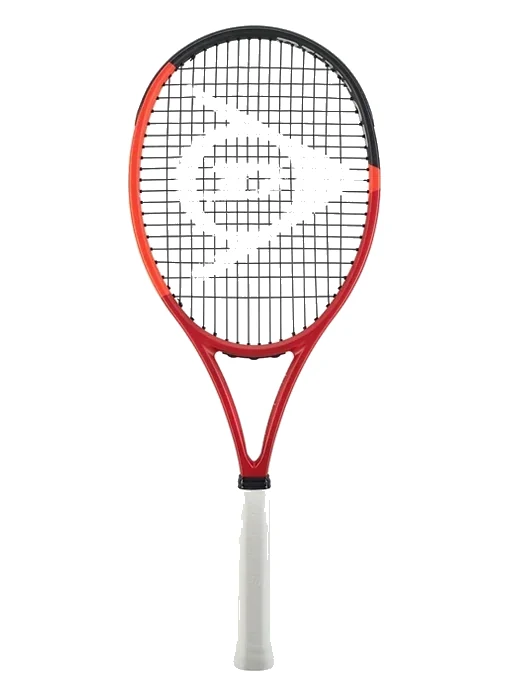
Product photograph: Tennis-Point UK ↗ Dunlop The 2024 CX 200, replaced by Dunlop’s 2027 range. Still worth a look if you find one for noticeably less than the new frame.
No recent UK quote recorded.
Trade-off: Same numbers on paper don’t guarantee the same feel: Dunlop changed the frame’s stiffness layout for 2027. Try both with similar strings before paying more for the new one.
Add to compare Save to locker
305 g, 98 sq in, 16 × 19 Frame diagram. A photo of this exact generation is still being checked. Dunlop The middle of the CX range: 305 g and 98 sq in, for club players who swing fully and want control ahead of free power.
No recent UK quote recorded.
Trade-off: It won’t hand you depth. If your shots land short when you’re tired, the CX 400’s 100 sq in head gives you more help.
Add to compare Save to locker
305 g, 98 sq in, 18 × 20 Frame diagram. A photo of this exact generation is still being checked. Dunlop The CX 200 with a denser 18×20 string pattern: the same 305 g, 98 sq in frame, with a flatter, more predictable ball off the strings.
No recent UK quote recorded.
Trade-off: The denser pattern gives you less spin and less free depth. If you rely on heavy topspin, start with the 16×19 CX 200.
Add to compare Save to locker
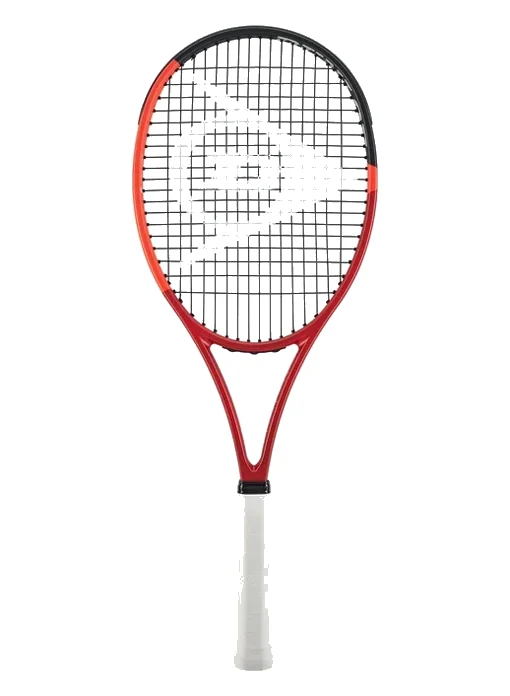
Product photograph: Tennis-Point UK ↗ Dunlop The 2024 CX 200 LS, replaced by Dunlop’s 2027 range. Still worth a look if you find one for noticeably less than the new frame.
No recent UK quote recorded.
Trade-off: Same numbers on paper don’t guarantee the same feel: Dunlop changed the frame’s stiffness layout for 2027. Try both with similar strings before paying more for the new one.
Add to compare Save to locker
290 g, 98 sq in, 16 × 19 Frame diagram. A photo of this exact generation is still being checked. Dunlop A lighter CX 200: 290 g with the same 98 sq in head, for players who want CX control without the extra weight.
No recent UK quote recorded.
Trade-off: Less weight means less stability against a big hitter. Expect it to get pushed around more on fast balls than the 305 g CX 200.
Add to compare Save to locker
310 g, 95 sq in, 16 × 19 Frame diagram. A photo of this exact generation is still being checked. Dunlop Dunlop’s smallest-headed CX: 310 g and 95 sq in, for players who make their own pace and want to put the ball on a line.
No recent UK quote recorded.
Trade-off: The 95 sq in head leaves little room on a stretched or late return. If off-centre hits already cost you points, start with the 98 sq in CX 200.
Add to compare Save to locker
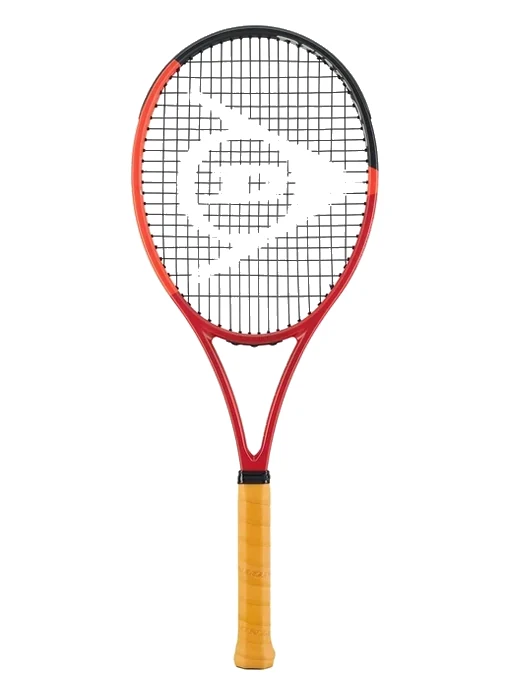
Product photograph: Tennis-Point UK ↗ Dunlop The 2024 CX 200 Tour (18x20), which Dunlop has dropped from its 2027 range. Still worth a look if you want a 95 sq in, 18×20 CX and find one at a fair price.
No recent UK quote recorded.
Trade-off: There’s no direct 2027 successor, so stock will thin out. Check the grip size you need is still available before you plan around it.
Add to compare Save to locker
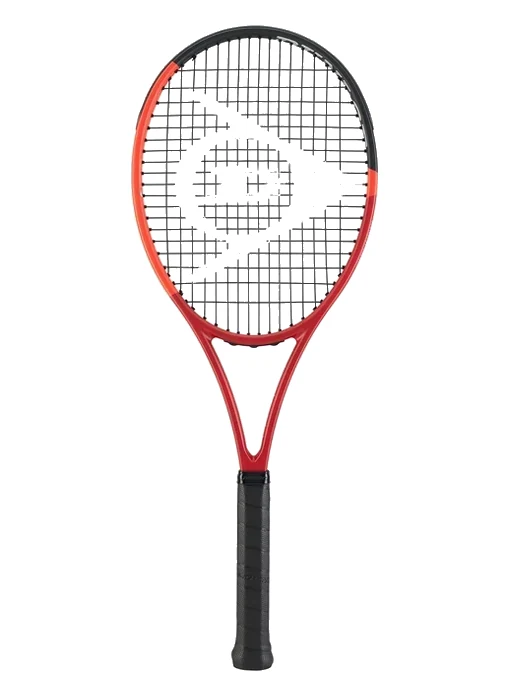
Product photograph: Tennis-Point UK ↗ Dunlop The 2024 CX 200 Tour 16×19, replaced by Dunlop’s 2027 range. Still worth a look if you find one for noticeably less than the new frame.
No recent UK quote recorded.
Trade-off: Same numbers on paper don’t guarantee the same feel: Dunlop changed the frame’s stiffness layout for 2027. Try both with similar strings before paying more for the new one.
Add to compare Save to locker
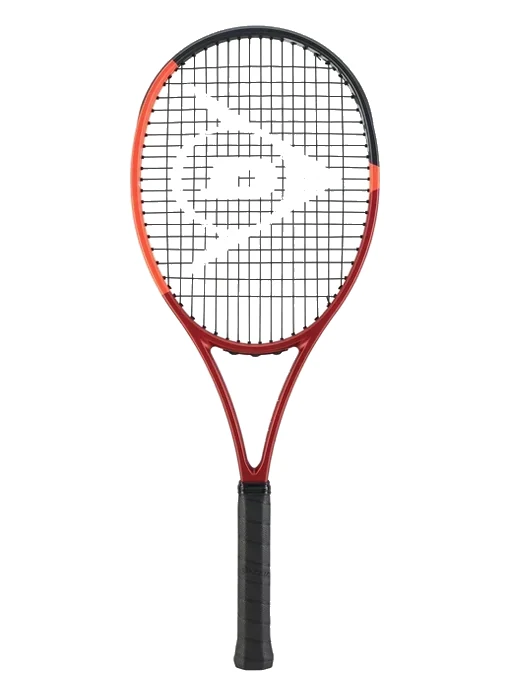
Product photograph: Tennis-Point UK ↗ Dunlop The 2024 CX 400, replaced by Dunlop’s 2027 range. Still worth a look if you find one for noticeably less than the new frame.
No recent UK quote recorded.
Trade-off: Same numbers on paper don’t guarantee the same feel: Dunlop changed the frame’s stiffness layout for 2027. Try both with similar strings before paying more for the new one.
Add to compare Save to locker
285 g, 100 sq in, 16 × 19 Frame diagram. A photo of this exact generation is still being checked. Dunlop The lightest, most forgiving CX: 285 g, 100 sq in and a 24 mm beam for easier depth.
No recent UK quote recorded.
Trade-off: At 285 g it gets pushed around more by fast, heavy balls. If you already hit hard, the 300 g CX 400 Tour is steadier.
Add to compare Save to locker
Product photograph: Tennis-Point UK ↗ Dunlop The 2024 CX 400 Tour, replaced by Dunlop’s 2027 range. Still worth a look if you find one for noticeably less than the new frame.
No recent UK quote recorded.
Trade-off: Same numbers on paper don’t guarantee the same feel: Dunlop changed the frame’s stiffness layout for 2027. Try both with similar strings before paying more for the new one.
Add to compare Save to locker
300 g, 100 sq in, 16 × 19 Frame diagram. A photo of this exact generation is still being checked. Dunlop A 300 g, 100 sq in CX that adds some forgiveness to the range’s control, with a 23 mm beam.
No recent UK quote recorded.
Trade-off: It sits between the two ends of the range: less precise than the CX 200 and with less easy depth than the lighter CX 400.
Add to compare Save to locker
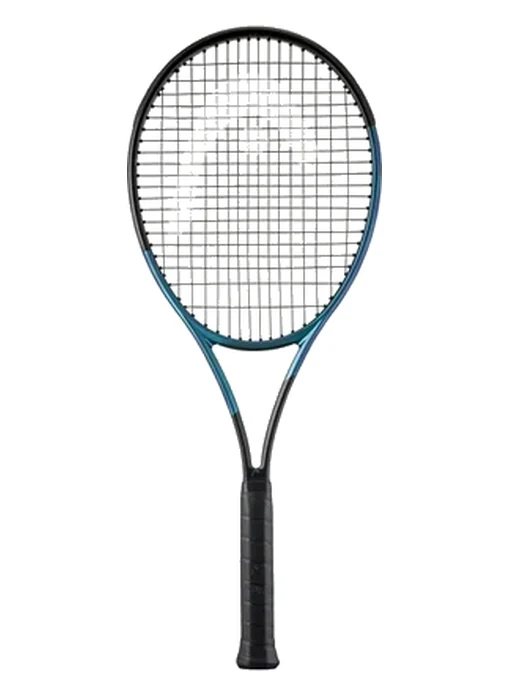
Product photograph: All Things Tennis ↗ Head 295 g and 100 sq in: a current Gravity option to compare if you want more predictable placement on committed swings.
No recent UK quote recorded.
Trade-off: Check that any extra depth or spin remains predictable when you accelerate. A specification advantage is not a guarantee that you will play better.
Add to compare Save to locker
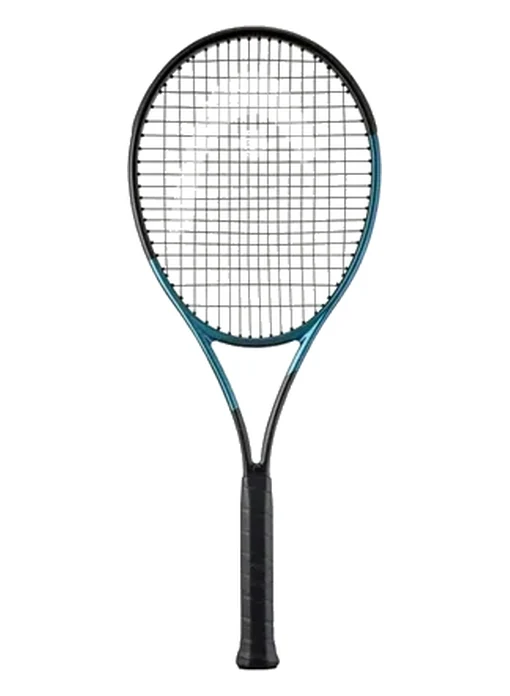
Product photograph: All Things Tennis ↗ Head 305 g and 98 sq in: a current Gravity option to compare if you want more predictable placement on committed swings.
No recent UK quote recorded.
Trade-off: The smaller head asks for cleaner contact. Compare defensive depth and off-centre shots as well as your best full swings.
Add to compare Save to locker
Product photograph: All Things Tennis ↗ Head 315 g and 98 sq in: a current Radical option to compare if you want more predictable placement on committed swings.
No recent UK quote recorded.
Trade-off: The static weight makes late preparation and long-session handling part of the test; judge returns and serves when you are tired.
Add to compare Save to locker
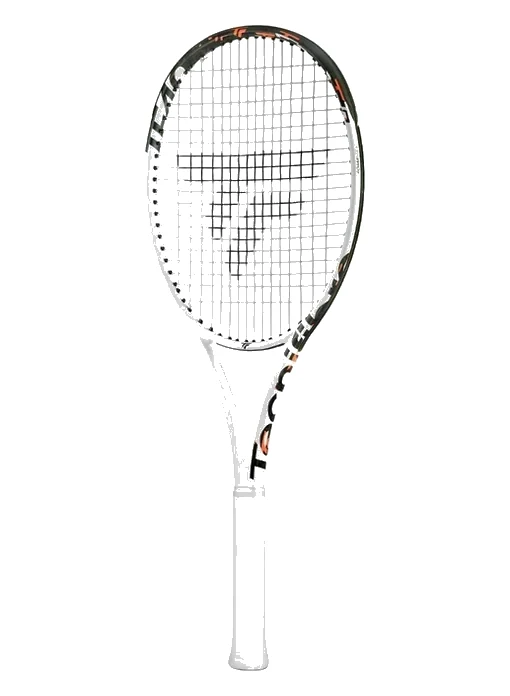
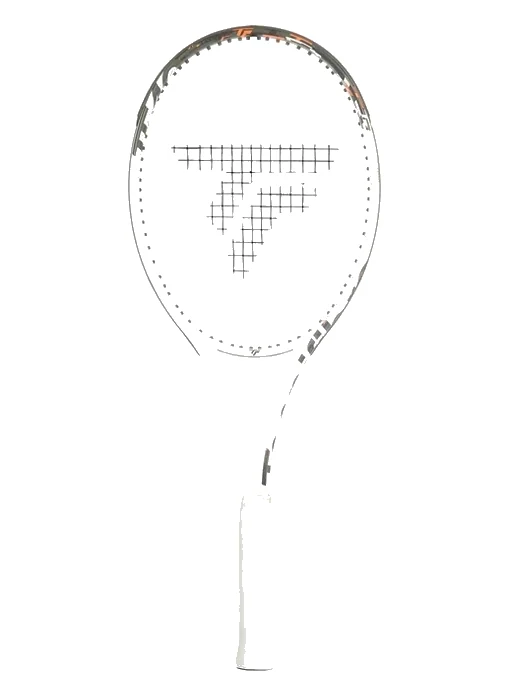
290 g, 98 sq in, 16 × 19 Frame diagram. A photo of this exact generation is still being checked. Tecnifibre A 290 g, 98 sq in option to compare placement on full swings. This assessment uses published specifications, not a play-test.
No recent UK quote recorded.
Trade-off: Check depth and directional control with your normal swing. Published weight and head size cannot predict your own result.
Add to compare Save to locker
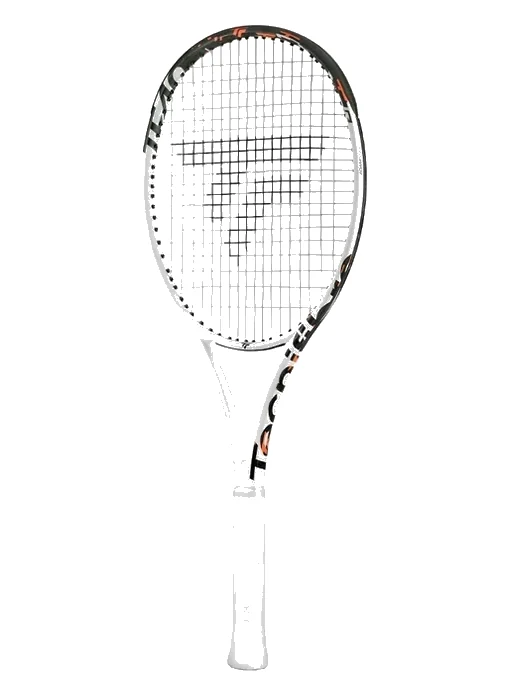
Product photograph: PDH Sports ↗ Tecnifibre A 305 g, 98 sq in option to compare placement on full swings. This assessment uses published specifications, not a play-test.
No recent UK quote recorded.
Trade-off: Check depth and directional control with your normal swing. Published weight and head size cannot predict your own result.
Add to compare Save to locker
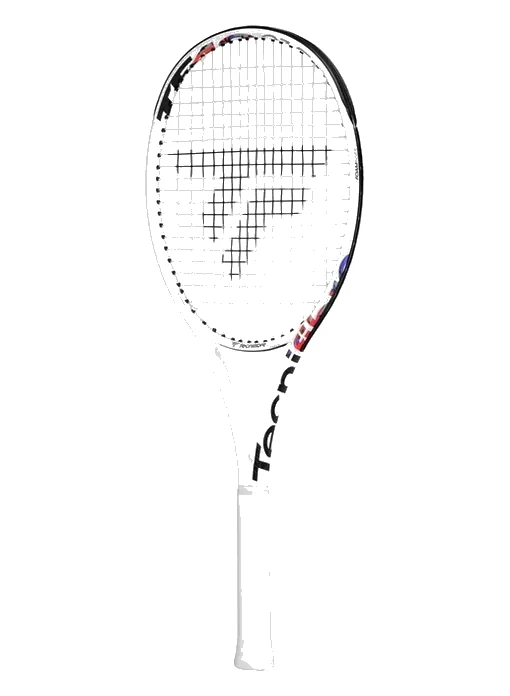
Product photograph: Tennis-Point UK ↗ Tecnifibre A 315 g, 98 sq in option to compare placement on full swings. This assessment uses published specifications, not a play-test.
No recent UK quote recorded.
Trade-off: The 98 sq in head and 315 g frame make this a demanding comparison: watch preparation and off-centre contact.
Add to compare Save to locker
Product photograph: All Things Tennis ↗ Wilson 305 g and 98 sq in: a current Blade option to compare if you want more predictable placement on committed swings.
No recent UK quote recorded.
Trade-off: The smaller head asks for cleaner contact. Compare defensive depth and off-centre shots as well as your best full swings.
Add to compare Save to locker
315 g, 98 sq in, 16 × 19 Frame diagram. A photo of this exact generation is still being checked. Yonex The heavy EZONE 98, listed at 315 g before strings.
No recent UK quote recorded.
Trade-off: The extra weight can slow your preparation and tire your arm. Test returns and serves late in the session.
Add to compare Save to locker
285 g, 98 sq in, 16 × 19 Frame diagram. A photo of this exact generation is still being checked. Yonex A lighter EZONE with the smaller 98 sq in head.
No recent UK quote recorded.
Trade-off: Lighter doesn’t mean easier to hit cleanly. If you want a bigger target, try the 100L.
Add to compare Save to locker
Product photograph: All Things Tennis ↗ Yonex A 300 g, 100 sq in option to compare placement on full swings. This assessment uses published specifications, not a play-test.
No recent UK quote recorded.
Trade-off: Check depth and directional control with your normal swing. Published weight and head size cannot predict your own result.
Add to compare Save to locker
305 g, 100 sq in, 18 × 19 Frame diagram. A photo of this exact generation is still being checked. Yonex A 305 g, 100 sq in option to compare placement on full swings. This assessment uses published specifications, not a play-test.
No recent UK quote recorded.
Trade-off: Check depth and directional control with your normal swing. Published weight and head size cannot predict your own result.
Add to compare Save to locker
Product photograph: PDH Sports ↗ Yonex A 280 g, 100 sq in option to compare placement on full swings. This assessment uses published specifications, not a play-test.
No recent UK quote recorded.
Trade-off: At 280 g, check stability against pace as well as quick preparation; a lower static weight does not prove a lower swingweight.
Add to compare Save to locker
Product photograph: All Things Tennis ↗ Yonex A 310 g, 97 sq in option to compare placement on full swings. This assessment uses published specifications, not a play-test.
No recent UK quote recorded.
Trade-off: The 97 sq in head and 310 g frame make this a demanding comparison: watch preparation and off-centre contact.
Add to compare Save to locker
Product photograph: All Things Tennis ↗ Yonex A 320 g, 97 sq in option to compare placement on full swings. This assessment uses published specifications, not a play-test.
No recent UK quote recorded.
Trade-off: The 97 sq in head and 320 g frame make this a demanding comparison: watch preparation and off-centre contact.
Add to compare Save to locker
330 g, 97 sq in, 16 × 19 Frame diagram. A photo of this exact generation is still being checked. Yonex A 330 g, 97 sq in option to compare placement on full swings. This assessment uses published specifications, not a play-test.
No recent UK quote recorded.
Trade-off: The 97 sq in head and 330 g frame make this a demanding comparison: watch preparation and off-centre contact.
Add to compare Save to locker
Product photograph: All Things Tennis ↗ Yonex A 290 g, 97 sq in option to compare placement on full swings. This assessment uses published specifications, not a play-test.
No recent UK quote recorded.
Trade-off: The 97 sq in head and 290 g frame make this a demanding comparison: watch preparation and off-centre contact.
Add to compare Save to locker