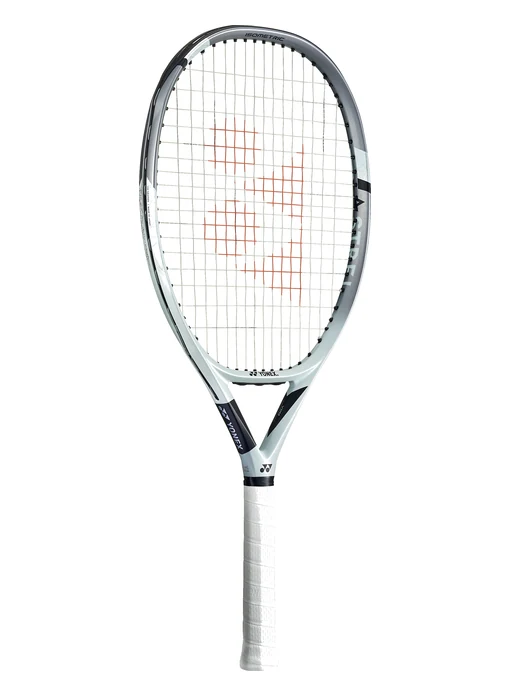
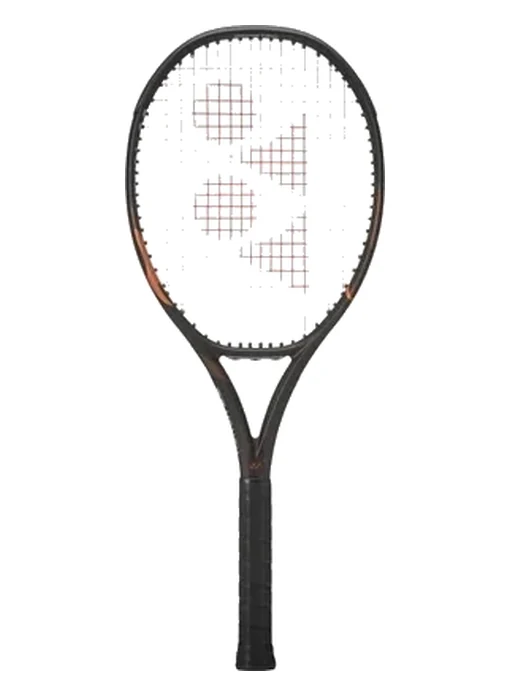
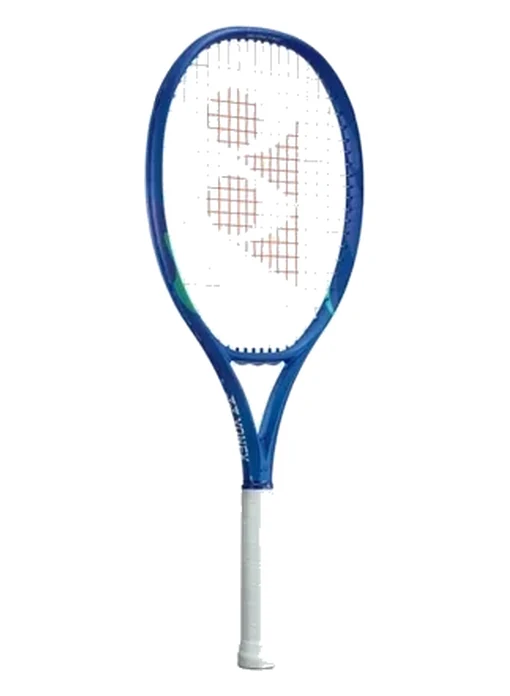
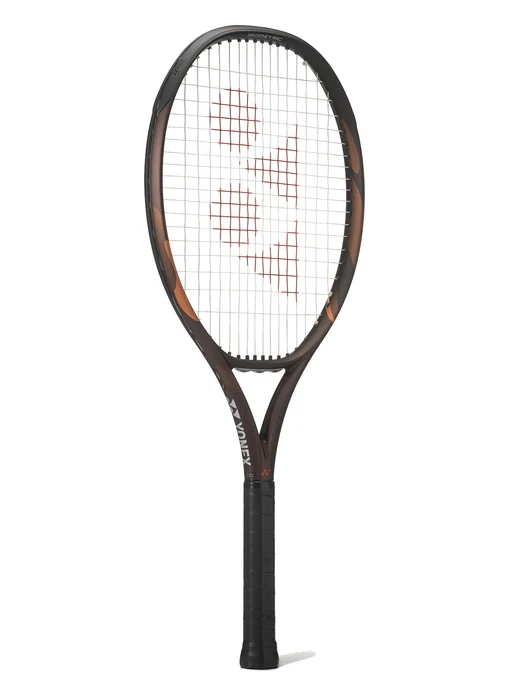
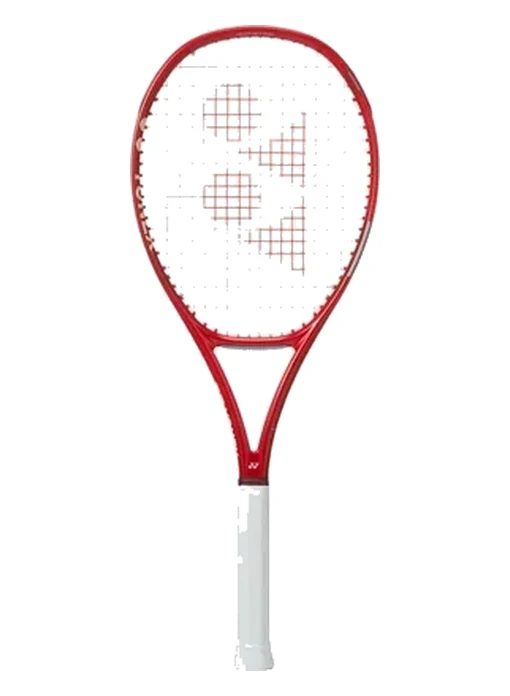
Grouping is our editorial classification or the manufacturer’s published specification. Rackets with a dated UK price are listed first; order is not a ranking and retailer commission plays no part.
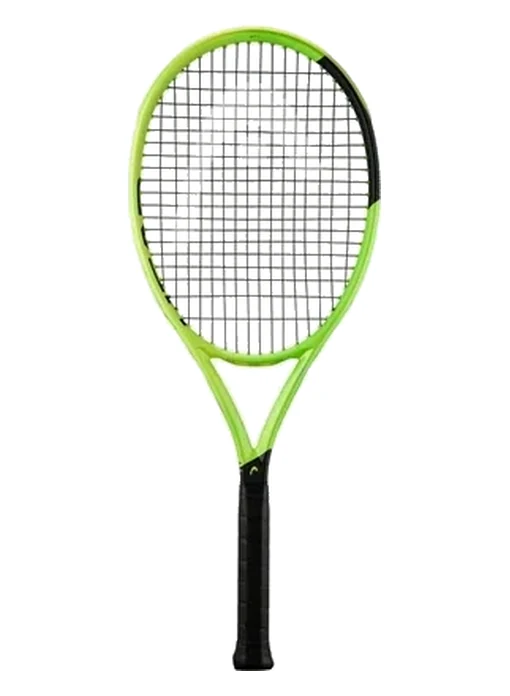
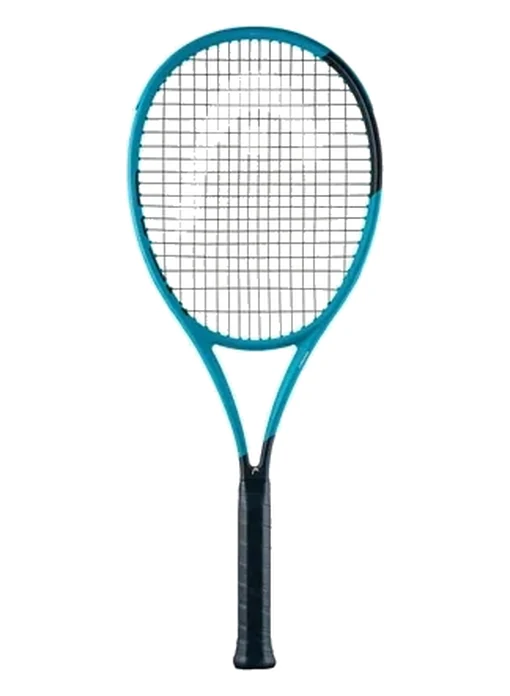
Product photograph: All Things Tennis ↗ Head 280 g and 100 sq in: a current Extreme option to compare if you want a heavier, more dipping rally ball.
£190.00 HEAD, unknown, checked 13 October 2026 Check at HEAD ↗ Trade-off: The lower static weight can make preparation easier, but test stability against pace and blocked returns before assuming lighter is better.
Add to compare Save to locker
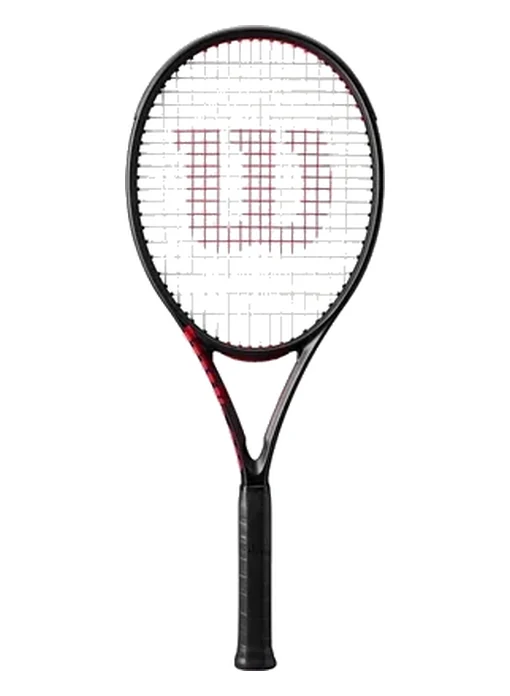
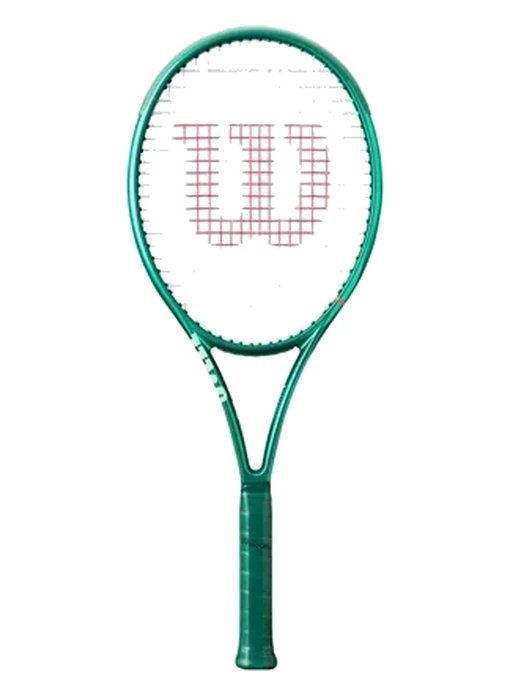
Product photograph: All Things Tennis ↗ Wilson Wilson’s flexible-feeling racket, 295 g with a familiar 100 sq in head.
£154.90 Tennis-Point, unstrung, checked 18 November 2026 Check at Tennis-Point ↗ Trade-off: Flex isn’t for everyone. Check you can still place the ball on your normal shots, with strings similar to your own.
Add to compare Save to locker
265 g, 100 sq in, 16 × 19 Frame diagram. A photo of this exact generation is still being checked. Wilson The lightest Defyer at 265 g unstrung, with a 100 sq in head. This assessment uses published specifications, not a play-test.
£230.00 Wilson, unknown, checked 23 November 2026 Check at Wilson ↗ Trade-off: At 265 g, check stability and depth against faster incoming balls. A very light frame can be easy to swing without necessarily being the best match under pressure.
Add to compare Save to locker
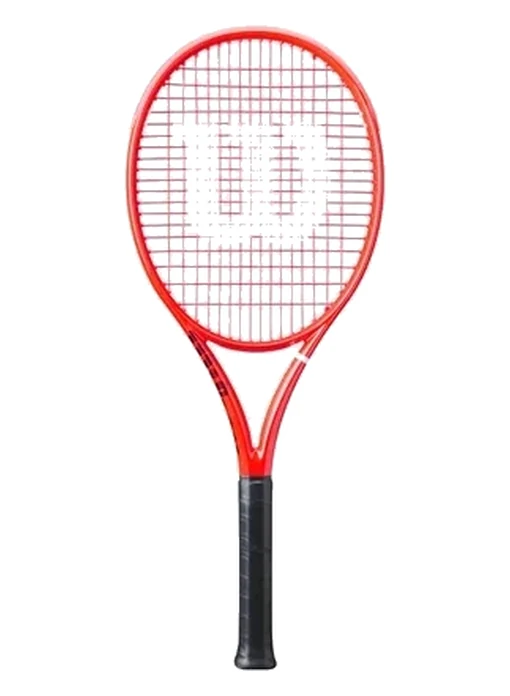
Product photograph: All Things Tennis ↗ Wilson A lighter 285 g Defyer with a 100 sq in head for easier preparation. This assessment uses published specifications, not a play-test.
£175.90 Tennis-Point, unstrung, checked 23 November 2026 Check at Tennis-Point ↗ Trade-off: Lower static weight can be easier to move but may feel less stable against pace. Test returns and off-centre contact before assuming lighter is better.
Add to compare Save to locker
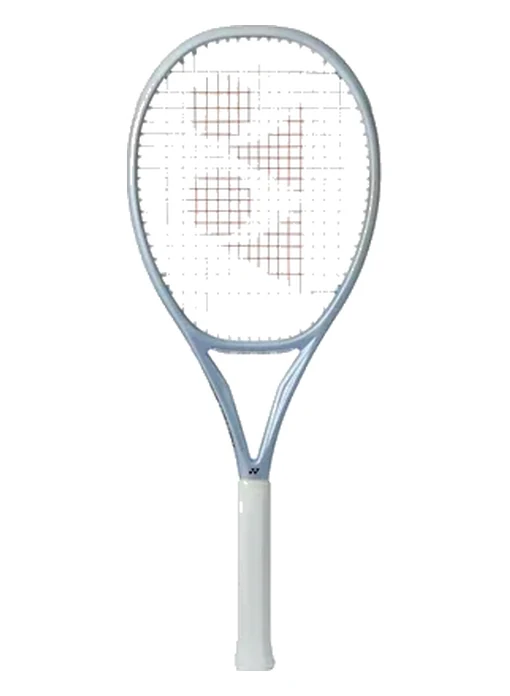
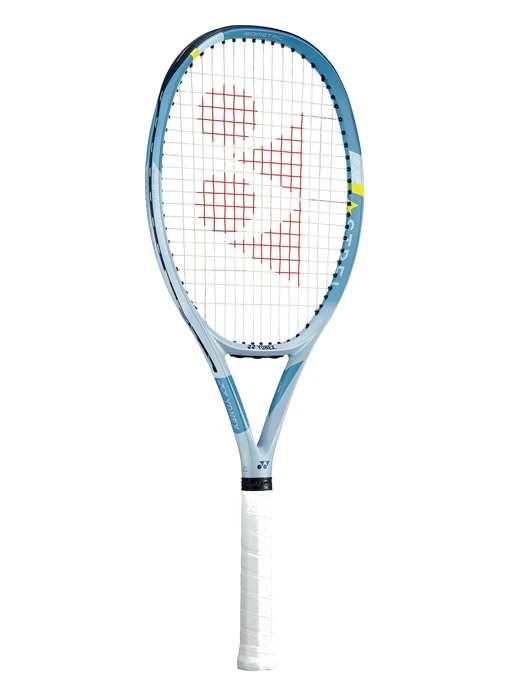
Product photograph: All Things Tennis ↗ Yonex A 280 g, 100 sq in option to compare a frame for singles and doubles. This assessment uses published specifications, not a play-test.
£207.99 Tennisnuts, unstrung, checked 23 November 2026 Check at Tennisnuts ↗ Trade-off: At 280 g, check stability against pace as well as quick preparation; a lower static weight does not prove a lower swingweight.
Add to compare Save to locker
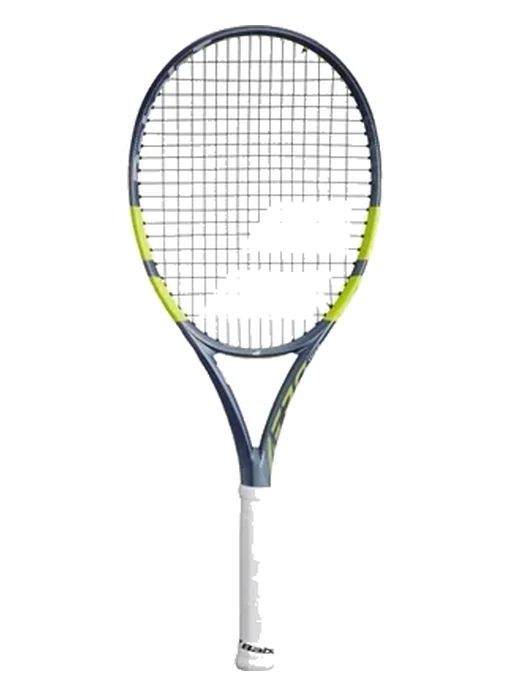
Product photograph: All Things Tennis ↗ Babolat 285 g and 100 sq in: a current Pure Aero option to compare if you want a heavier, more dipping rally ball.
No recent UK quote recorded.
Trade-off: The lower static weight can make preparation easier, but test stability against pace and blocked returns before assuming lighter is better.
Add to compare Save to locker
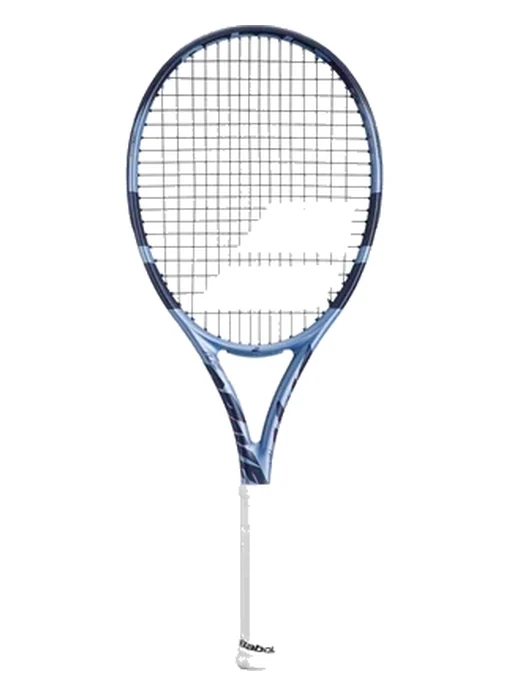
Product photograph: All Things Tennis ↗ Babolat 285 g and 100 sq in: a current Pure Drive option to compare if you want easier rally depth and pace.
No recent UK quote recorded.
Trade-off: The lower static weight can make preparation easier, but test stability against pace and blocked returns before assuming lighter is better.
Add to compare Save to locker
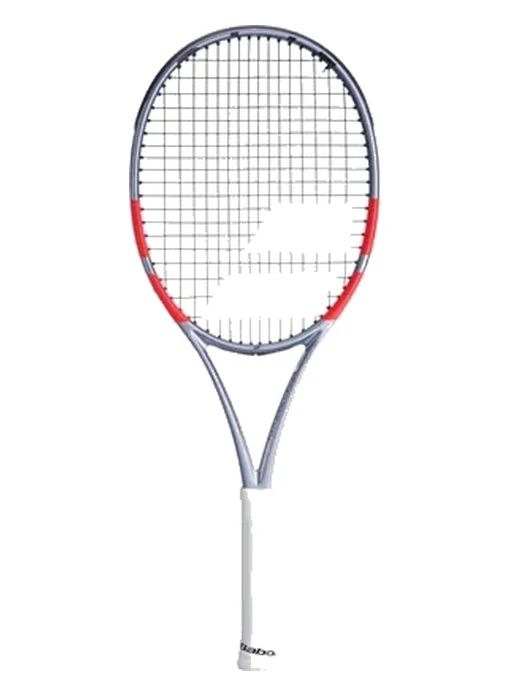
Product photograph: All Things Tennis ↗ Babolat 285 g and 100 sq in: a current Pure Strike option to compare if you want more predictable placement on committed swings.
No recent UK quote recorded.
Trade-off: The lower static weight can make preparation easier, but test stability against pace and blocked returns before assuming lighter is better.
Add to compare Save to locker
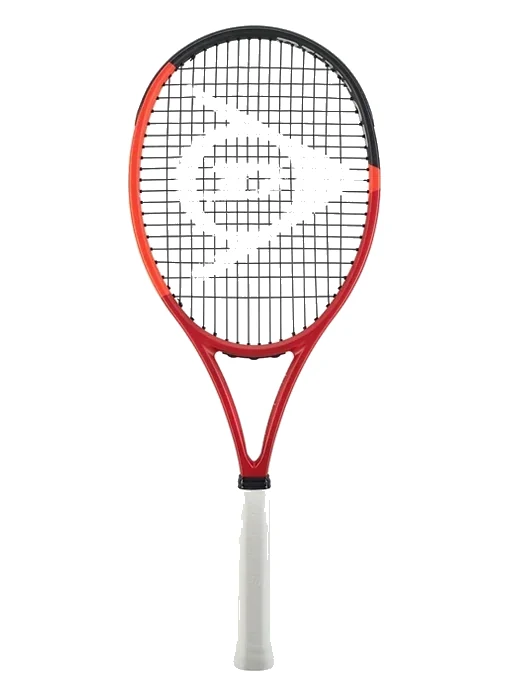
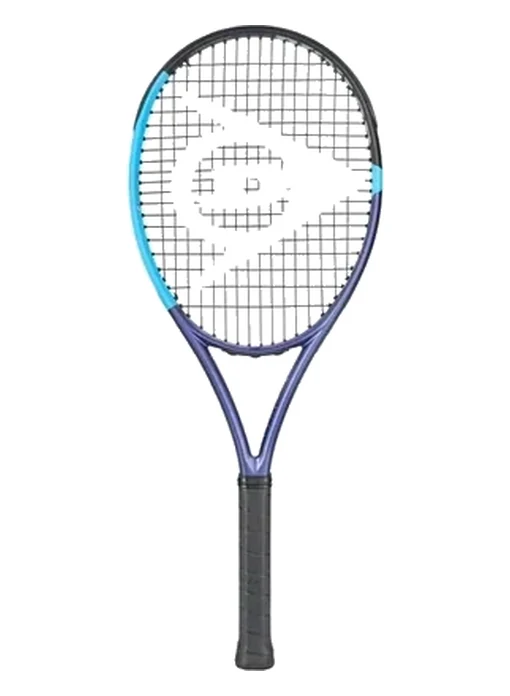
Product photograph: Tennis-Point UK ↗ Dunlop The 2024 CX 400, replaced by Dunlop’s 2027 range. Still worth a look if you find one for noticeably less than the new frame.
No recent UK quote recorded.
Trade-off: Same numbers on paper don’t guarantee the same feel: Dunlop changed the frame’s stiffness layout for 2027. Try both with similar strings before paying more for the new one.
Add to compare Save to locker
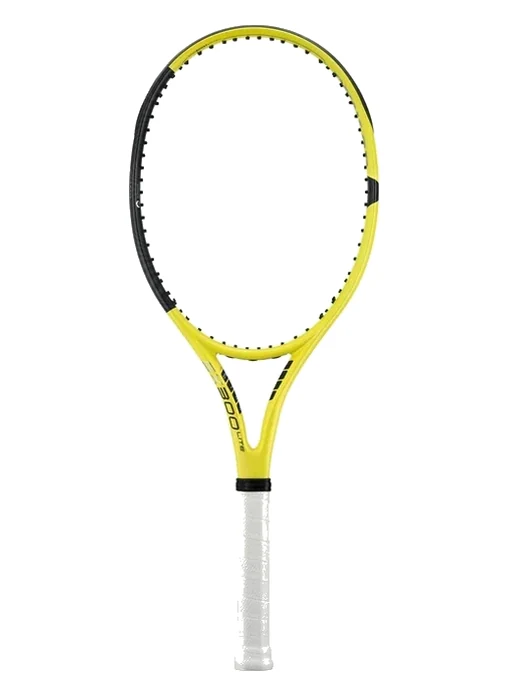
285 g, 100 sq in, 16 × 19 Frame diagram. A photo of this exact generation is still being checked. Dunlop The lightest, most forgiving CX: 285 g, 100 sq in and a 24 mm beam for easier depth.
No recent UK quote recorded.
Trade-off: At 285 g it gets pushed around more by fast, heavy balls. If you already hit hard, the 300 g CX 400 Tour is steadier.
Add to compare Save to locker
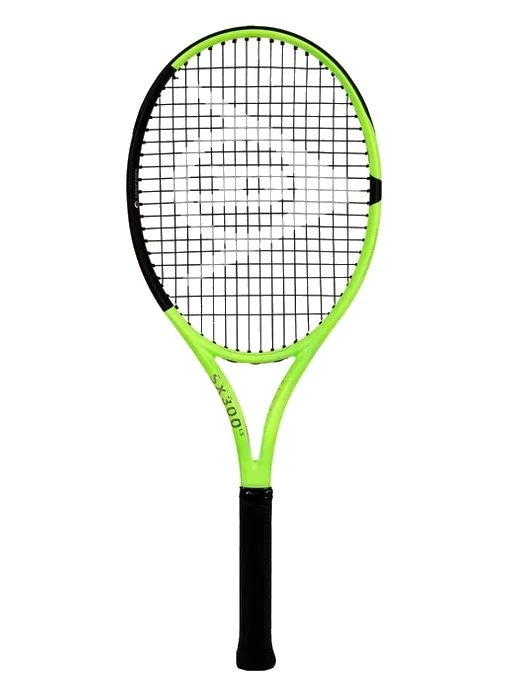
Product photograph: All Things Tennis ↗ Dunlop 285 g and 100 sq in: a current FX option to compare if you want easier rally depth and pace.
No recent UK quote recorded.
Trade-off: The lower static weight can make preparation easier, but test stability against pace and blocked returns before assuming lighter is better.
Add to compare Save to locker
Product photograph: Tennis-Point UK ↗ Dunlop A 285 g, 100 sq in option to compare spin and rally-ball shape. This assessment uses published specifications, not a play-test.
No recent UK quote recorded.
Trade-off: At 285 g, check stability against pace as well as quick preparation; a lower static weight does not prove a lower swingweight.
Add to compare Save to locker
Product photograph: Sweatband ↗ Dunlop A 270 g, 100 sq in option to compare spin and rally-ball shape. This assessment uses published specifications, not a play-test.
No recent UK quote recorded.
Trade-off: At 270 g, check stability against pace as well as quick preparation; a lower static weight does not prove a lower swingweight.
Add to compare Save to locker
Product photograph: All Things Tennis ↗ Head 275 g and 100 sq in: a current Boom option to compare if you want easier rally depth and pace.
No recent UK quote recorded.
Trade-off: The lower static weight can make preparation easier, but test stability against pace and blocked returns before assuming lighter is better.
Add to compare Save to locker
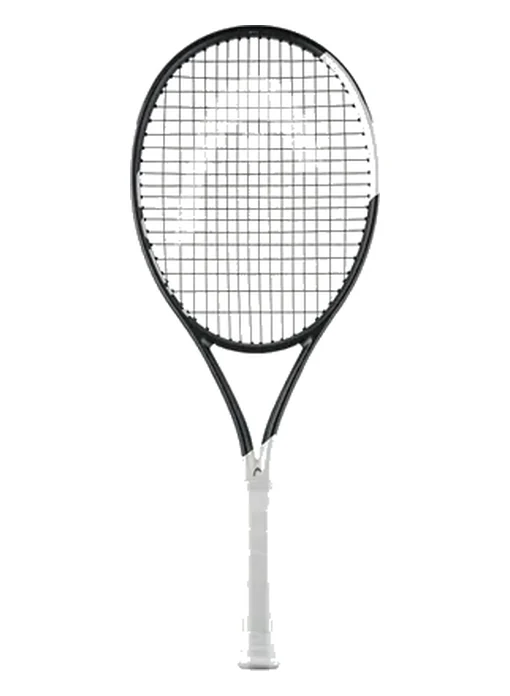
Product photograph: All Things Tennis ↗ Head 285 g and 100 sq in: a current Speed option to compare if you want an all-court balance of depth and control.
No recent UK quote recorded.
Trade-off: The lower static weight can make preparation easier, but test stability against pace and blocked returns before assuming lighter is better.
Add to compare Save to locker
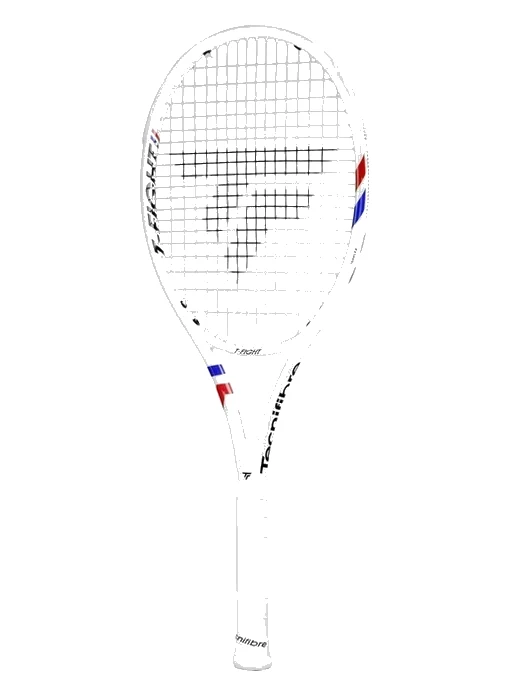
Product photograph: PDH Sports ↗ Tecnifibre A 255 g, 100 sq in option to compare a frame for singles and doubles. This assessment uses published specifications, not a play-test.
No recent UK quote recorded.
Trade-off: At 255 g, check stability against pace as well as quick preparation; a lower static weight does not prove a lower swingweight.
Add to compare Save to locker
270 g, 100 sq in, 16 × 19 Frame diagram. A photo of this exact generation is still being checked. Tecnifibre A 270 g, 100 sq in option to compare a frame for singles and doubles. This assessment uses published specifications, not a play-test.
No recent UK quote recorded.
Trade-off: At 270 g, check stability against pace as well as quick preparation; a lower static weight does not prove a lower swingweight.
Add to compare Save to locker
285 g, 100 sq in, 16 × 19 Frame diagram. A photo of this exact generation is still being checked. Tecnifibre A 285 g, 100 sq in option to compare a frame for singles and doubles. This assessment uses published specifications, not a play-test.
No recent UK quote recorded.
Trade-off: At 285 g, check stability against pace as well as quick preparation; a lower static weight does not prove a lower swingweight.
Add to compare Save to locker
Product photograph: Tennis-Point UK ↗ Tecnifibre A 270 g, 100 sq in option to find easier rally depth. This assessment uses published specifications, not a play-test.
No recent UK quote recorded.
Trade-off: At 270 g, check stability against pace as well as quick preparation; a lower static weight does not prove a lower swingweight.
Add to compare Save to locker
Product photograph: Tennis-Point UK ↗ Tecnifibre A 275 g, 105 sq in option to find easier rally depth. This assessment uses published specifications, not a play-test.
No recent UK quote recorded.
Trade-off: At 275 g, check stability against pace as well as quick preparation; a lower static weight does not prove a lower swingweight.
Add to compare Save to locker
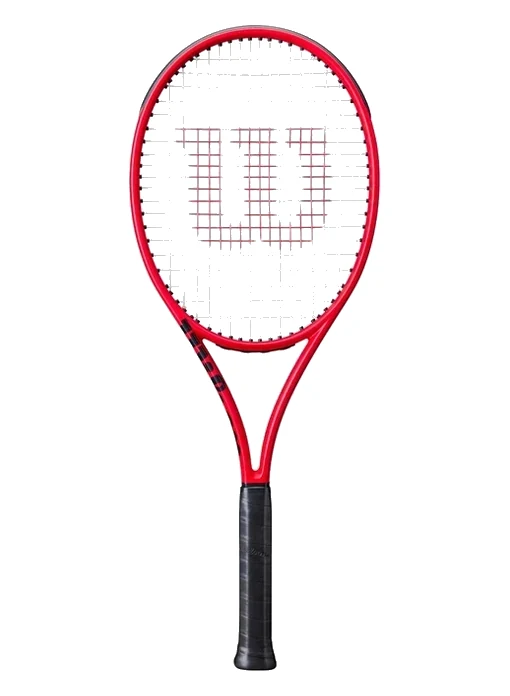
Product photograph: All Things Tennis ↗ Wilson 285 g and 100 sq in: a current Blade option to compare if you want an all-court balance of depth and control.
No recent UK quote recorded.
Trade-off: The lower static weight can make preparation easier, but test stability against pace and blocked returns before assuming lighter is better.
Add to compare Save to locker
Product photograph: Tennis-Point UK ↗ Wilson 285 g and 99 sq in: a current Shift option to compare if you want a heavier, more dipping rally ball.
No recent UK quote recorded.
Trade-off: The lower static weight can make preparation easier, but test stability against pace and blocked returns before assuming lighter is better.
Add to compare Save to locker
280 g, 100 sq in, 16 × 19 Frame diagram. A photo of this exact generation is still being checked. Wilson 280 g and 100 sq in: a current Ultra option to compare if you want easier rally depth and pace.
No recent UK quote recorded.
Trade-off: The lower static weight can make preparation easier, but test stability against pace and blocked returns before assuming lighter is better.
Add to compare Save to locker
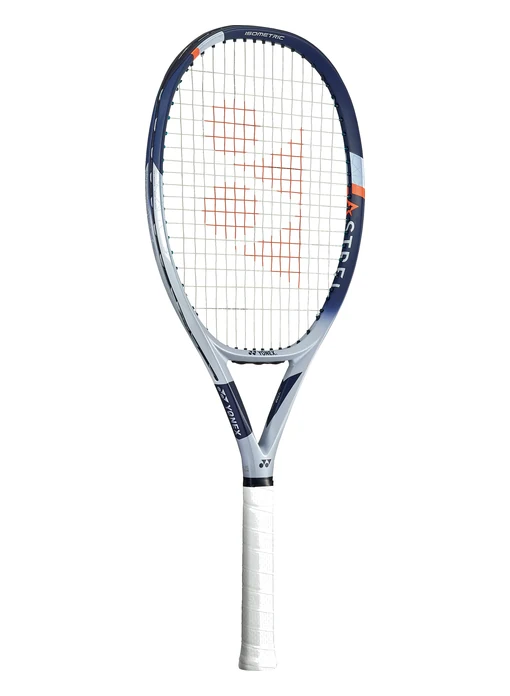
Product photograph: Yonex ↗ Yonex A 280 g, 100 sq in option to compare a forgiving setup. This assessment uses published specifications, not a play-test.
No recent UK quote recorded.
Trade-off: At 280 g, check stability against pace as well as quick preparation; a lower static weight does not prove a lower swingweight.
Add to compare Save to locker
Product photograph: Yonex ↗ Yonex A 260 g, 115 sq in option to compare a forgiving setup. This assessment uses published specifications, not a play-test.
No recent UK quote recorded.
Trade-off: At 260 g, check stability against pace as well as quick preparation; a lower static weight does not prove a lower swingweight.
Add to compare Save to locker
Product photograph: Yonex ↗ Yonex A 255 g, 120 sq in option to compare a forgiving setup. This assessment uses published specifications, not a play-test.
No recent UK quote recorded.
Trade-off: At 255 g, check stability against pace as well as quick preparation; a lower static weight does not prove a lower swingweight.
Add to compare Save to locker
270 g, 100 sq in, 16 × 18 Frame diagram. A photo of this exact generation is still being checked. Yonex A 270 g, 100 sq in option to find easier rally depth. This assessment uses published specifications, not a play-test.
No recent UK quote recorded.
Trade-off: At 270 g, check stability against pace as well as quick preparation; a lower static weight does not prove a lower swingweight.
Add to compare Save to locker
Product photograph: All Things Tennis ↗ Yonex A 275 g, 105 sq in option to find easier rally depth. This assessment uses published specifications, not a play-test.
No recent UK quote recorded.
Trade-off: At 275 g, check stability against pace as well as quick preparation; a lower static weight does not prove a lower swingweight.
Add to compare Save to locker
Product photograph: All Things Tennis ↗ Yonex A 255 g, 110 sq in option to find easier rally depth. This assessment uses published specifications, not a play-test.
No recent UK quote recorded.
Trade-off: At 255 g, check stability against pace as well as quick preparation; a lower static weight does not prove a lower swingweight. The extra length needs a separate test on serves, returns and close volleys.
Add to compare Save to locker
Product photograph: Yonex ↗ Yonex A 250 g, 115 sq in option to find easier rally depth. This assessment uses published specifications, not a play-test.
No recent UK quote recorded.
Trade-off: At 250 g, check stability against pace as well as quick preparation; a lower static weight does not prove a lower swingweight. The extra length needs a separate test on serves, returns and close volleys.
Add to compare Save to locker
285 g, 98 sq in, 16 × 19 Frame diagram. A photo of this exact generation is still being checked. Yonex A lighter EZONE with the smaller 98 sq in head.
No recent UK quote recorded.
Trade-off: Lighter doesn’t mean easier to hit cleanly. If you want a bigger target, try the 100L.
Add to compare Save to locker
Product photograph: All Things Tennis ↗ Yonex A 265 g, 100 sq in option to compare a frame for singles and doubles. This assessment uses published specifications, not a play-test.
No recent UK quote recorded.
Trade-off: At 265 g, check stability against pace as well as quick preparation; a lower static weight does not prove a lower swingweight.
Add to compare Save to locker
Product photograph: Tennis-Point UK ↗ Yonex A 280 g, 107 sq in option to compare a frame for singles and doubles. This assessment uses published specifications, not a play-test.
No recent UK quote recorded.
Trade-off: At 280 g, check stability against pace as well as quick preparation; a lower static weight does not prove a lower swingweight.
Add to compare Save to locker
Product photograph: PDH Sports ↗ Yonex A 280 g, 100 sq in option to compare placement on full swings. This assessment uses published specifications, not a play-test.
No recent UK quote recorded.
Trade-off: At 280 g, check stability against pace as well as quick preparation; a lower static weight does not prove a lower swingweight.
Add to compare Save to locker
Product photograph: All Things Tennis ↗ Yonex A 280 g, 100 sq in option to compare spin and rally-ball shape. This assessment uses published specifications, not a play-test.
No recent UK quote recorded.
Trade-off: At 280 g, check stability against pace as well as quick preparation; a lower static weight does not prove a lower swingweight.
Add to compare Save to locker
Product photograph: All Things Tennis ↗ Yonex A 285 g, 98 sq in option to compare spin and rally-ball shape. This assessment uses published specifications, not a play-test.
No recent UK quote recorded.
Trade-off: At 285 g, check stability against pace as well as quick preparation; a lower static weight does not prove a lower swingweight.
Add to compare Save to locker