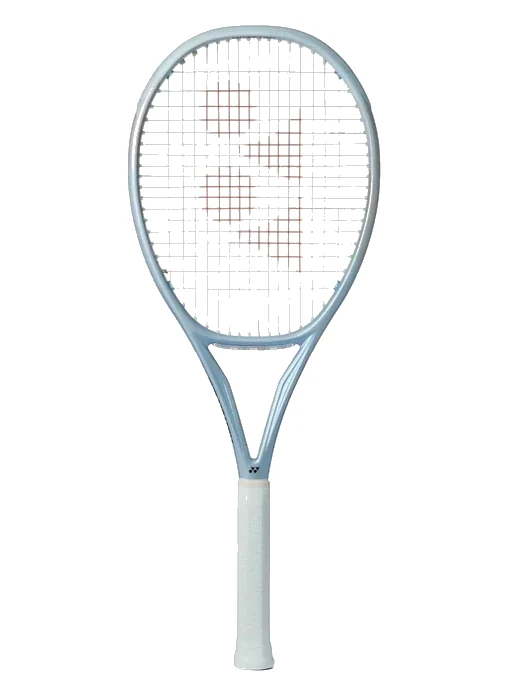
Grouping is our editorial classification or the manufacturer’s published specification. Rackets with a dated UK price are listed first; order is not a ranking and retailer commission plays no part.
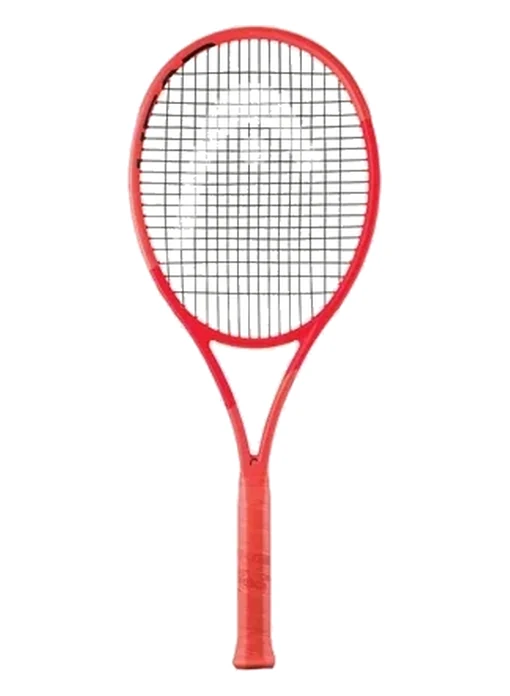
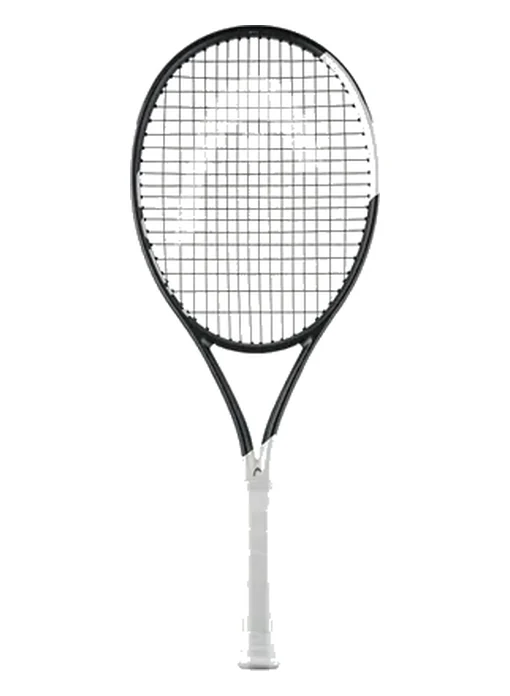
Product photograph: All Things Tennis ↗ Head A 300 g all-court racket with a 98 sq in head, for club players who swing with confidence.
£169.99 All Things Tennis, strung, checked 23 November 2026 Check at All Things Tennis ↗ Trade-off: The smaller head asks for more accurate contact than a 100 sq in frame. Check your timing in the last half-hour, not just the first.
Add to compare Save to locker
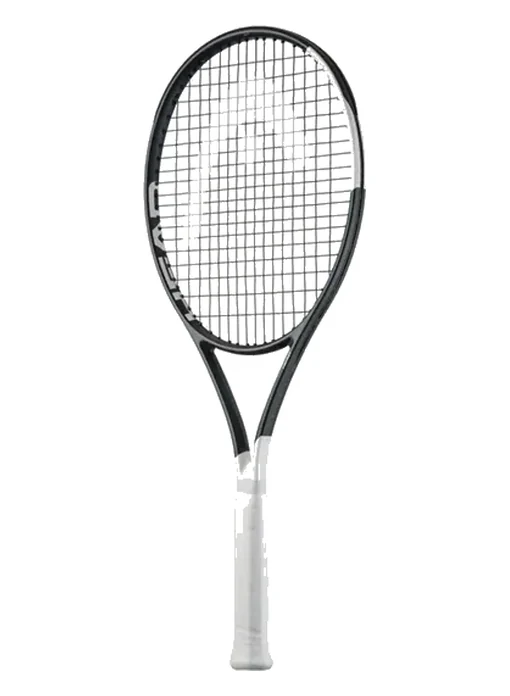
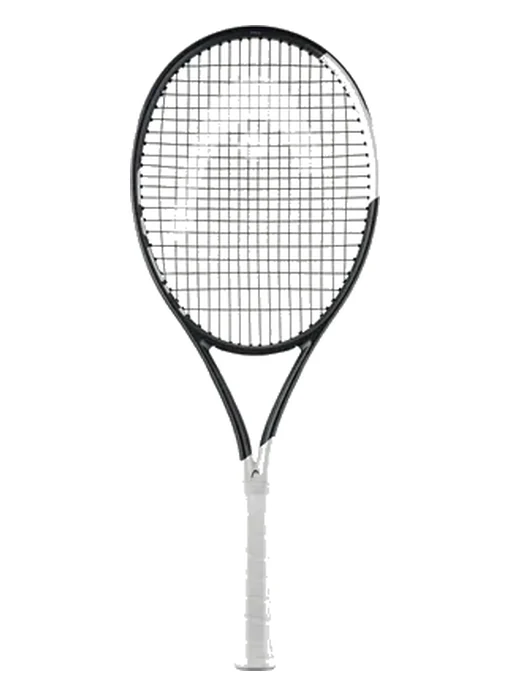
Product photograph: HEAD ↗ Head Head’s all-rounder: 300 g, for players who split their time between the baseline and the net.
£172.00 Pro:Direct, unstrung, checked 23 November 2026 Check at Pro:Direct ↗ Trade-off: Check you can still swing it freely at the end of a long session. If your preparation starts to slow, a lighter model may suit you better.
Add to compare Save to locker
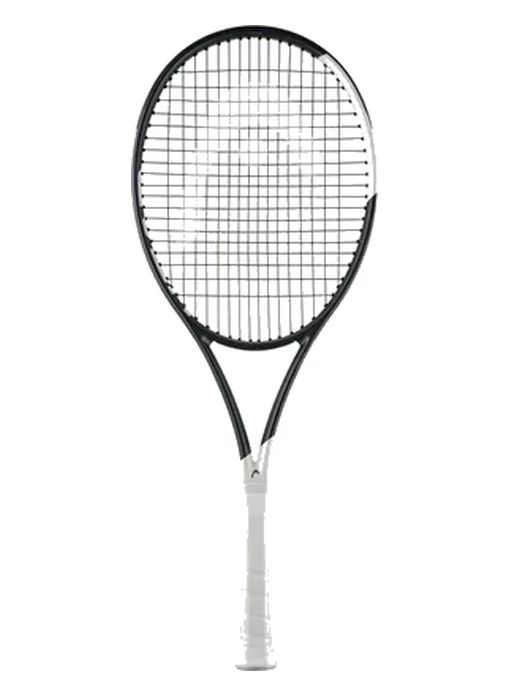
304 g, 100 sq in, 16 × 19 Frame diagram. A photo of this exact generation is still being checked. Head HEAD’s Speed Sinner: 304 g unstrung, 100 sq in and a 16×19 pattern, listed at £250 on HEAD’s UK site.
£250.00 HEAD, unknown, checked 17 November 2026 Check at HEAD ↗ Trade-off: At 304 g it sits between the Speed MP and the Speed Pro. Check whether you can still prepare the racket in time on returns, especially late in a session.
Add to compare Save to locker
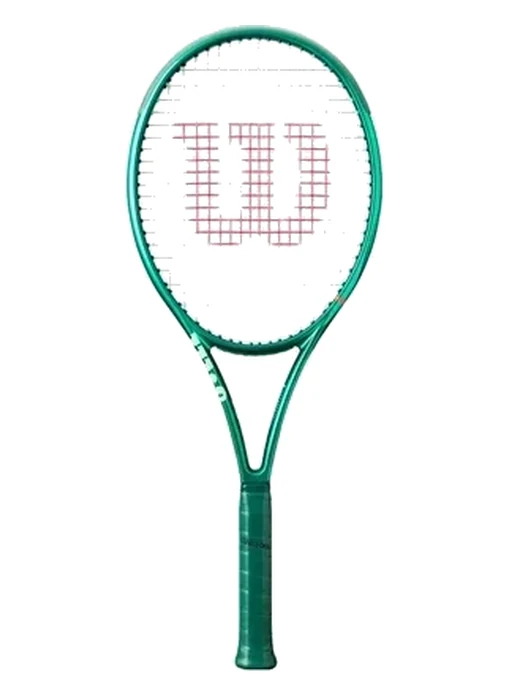
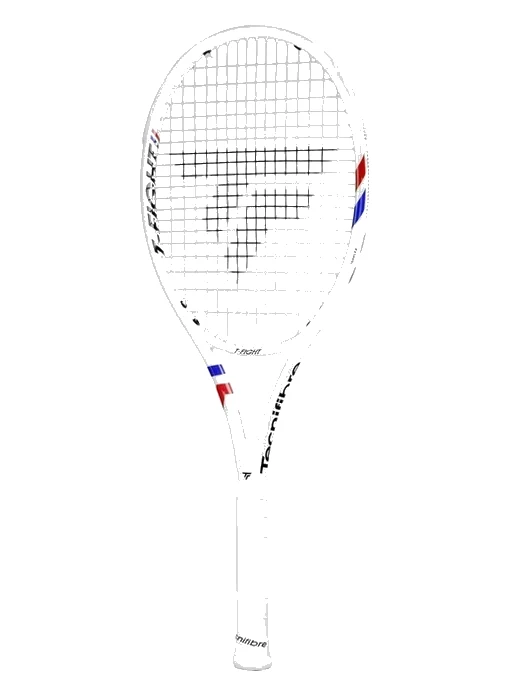
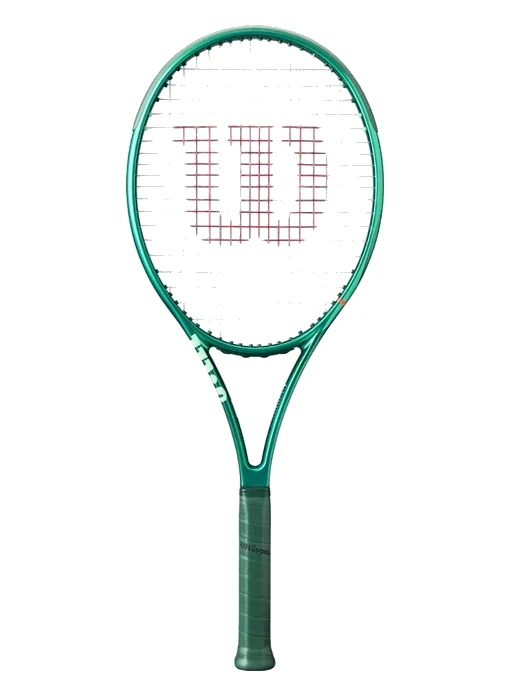
Product photograph: All Things Tennis ↗ Wilson The Blade with a bigger 100 sq in head, for players who find the 98 a little too exacting.
£173.90 Tennis-Point, unstrung, checked 23 November 2026 Check at Tennis-Point ↗ Trade-off: A bigger head doesn’t automatically mean more pace. If depth is your main problem, try the EZONE 100 as well.
Add to compare Save to locker
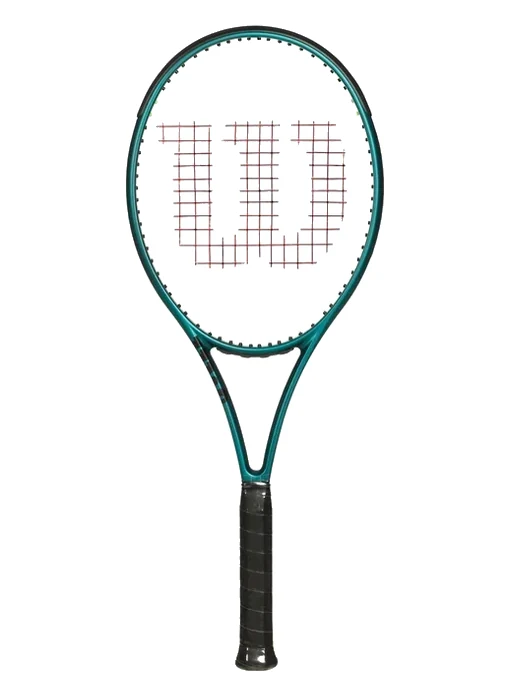
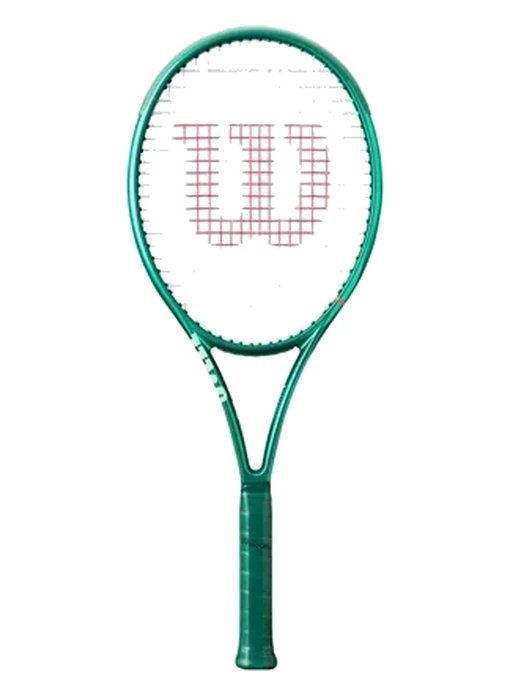
Product photograph: Tennis-Point UK ↗ Wilson The previous-generation Blade 100, with the same 100 sq in head.
£138.90 Tennis-Point, unstrung, checked 22 November 2026 Check at Tennis-Point ↗ Trade-off: Check the depth you get on your normal swing. And make sure the listing really is the v9 before you compare prices.
Add to compare Save to locker
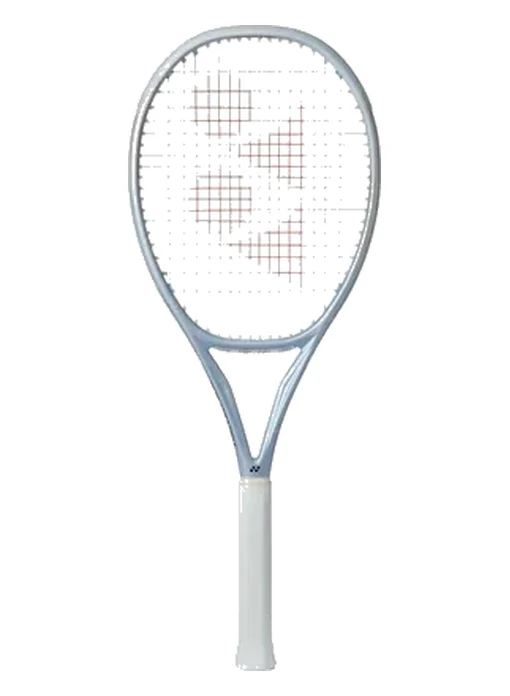
Product photograph: All Things Tennis ↗ Yonex A 295 g, 100 sq in option to compare a frame for singles and doubles. This assessment uses published specifications, not a play-test.
£207.99 Tennisnuts, unstrung, checked 23 November 2026 Check at Tennisnuts ↗ Trade-off: Check depth and directional control with your normal swing. Published weight and head size cannot predict your own result.
Add to compare Save to locker
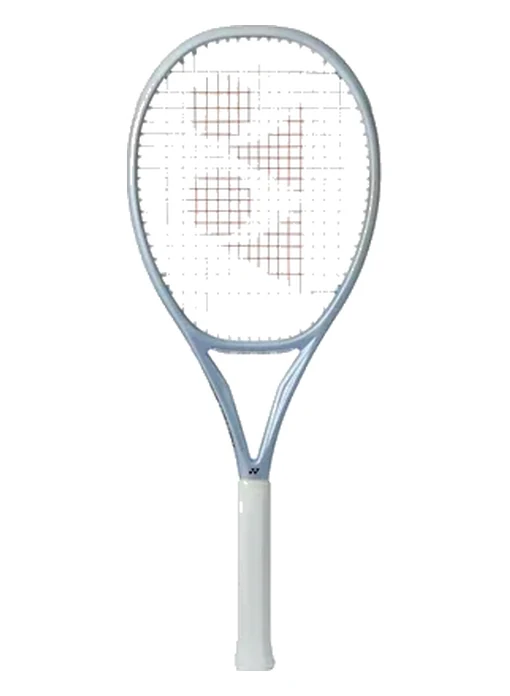
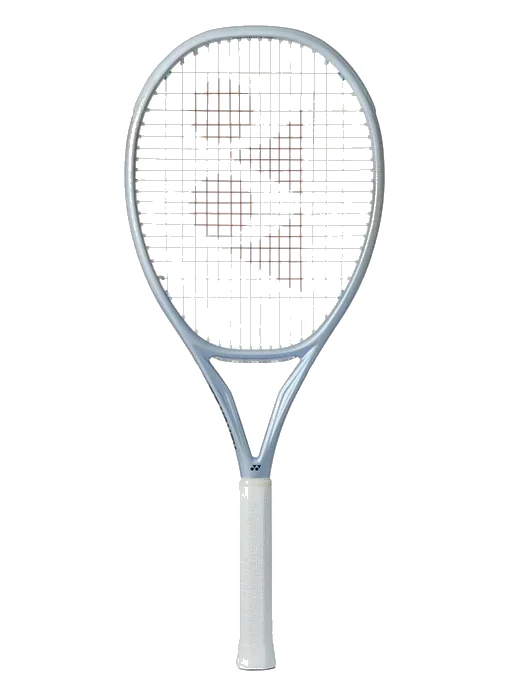
Product photograph: All Things Tennis ↗ Yonex A 280 g, 100 sq in option to compare a frame for singles and doubles. This assessment uses published specifications, not a play-test.
£207.99 Tennisnuts, unstrung, checked 23 November 2026 Check at Tennisnuts ↗ Trade-off: At 280 g, check stability against pace as well as quick preparation; a lower static weight does not prove a lower swingweight.
Add to compare Save to locker
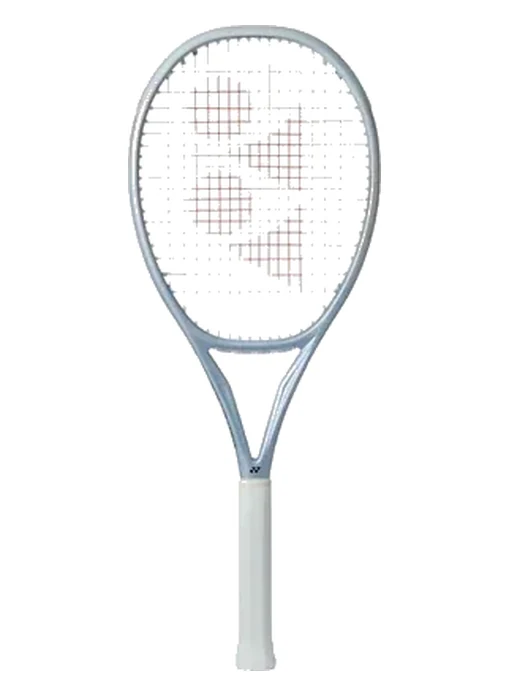
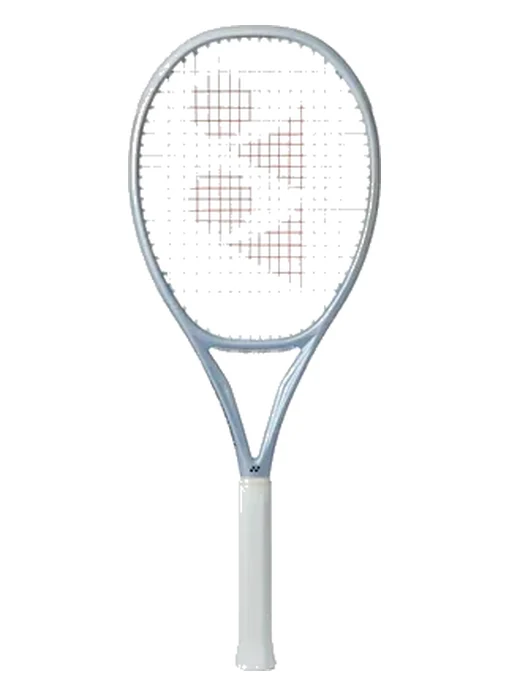
Product photograph: All Things Tennis ↗ Yonex A lightweight 265 g, 100 sq in MUSE with a 16×18 pattern, positioned within Yonex’s new comfort-focused 2026 family.
£207.99 Tennisnuts, unstrung, checked 23 November 2026 Check at Tennisnuts ↗ Trade-off: At 265 g unstrung it is substantially lighter than many standard club frames. Check stability on returns and against faster incoming balls rather than assuming lighter is automatically easier.
Add to compare Save to locker
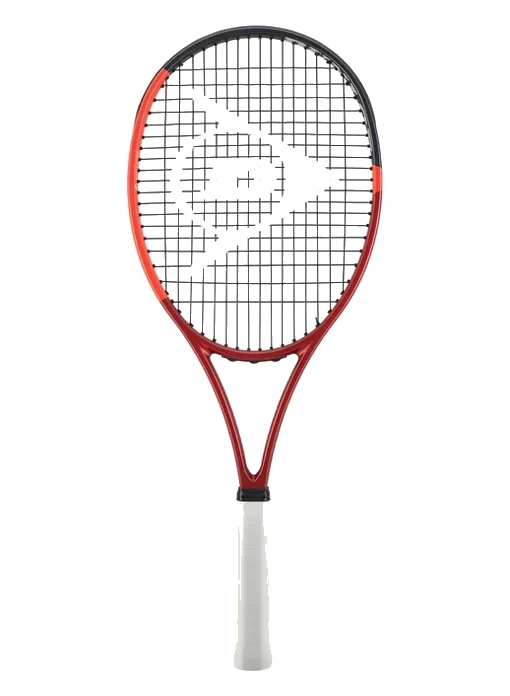
Product photograph: Tennis-Point UK ↗ Dunlop The 2024 CX 200 OS, replaced by Dunlop’s 2027 range. Still worth a look if you find one for noticeably less than the new frame.
No recent UK quote recorded.
Trade-off: Same numbers on paper don’t guarantee the same feel: Dunlop changed the frame’s stiffness layout for 2027. Try both with similar strings before paying more for the new one.
Add to compare Save to locker
295 g, 105 sq in, 16 × 19 Frame diagram. A photo of this exact generation is still being checked. Dunlop The CX with the biggest head: 105 sq in at 295 g, and a beam 1 mm thicker than the 2024 version.
No recent UK quote recorded.
Trade-off: The 105 sq in head gives up some precision on full swings. If you rarely miss the middle of the strings, the 98 sq in CX 200 is the tighter choice.
Add to compare Save to locker
Product photograph: All Things Tennis ↗ Head 285 g and 100 sq in: a current Speed option to compare if you want an all-court balance of depth and control.
No recent UK quote recorded.
Trade-off: The lower static weight can make preparation easier, but test stability against pace and blocked returns before assuming lighter is better.
Add to compare Save to locker
Product photograph: All Things Tennis ↗ Head 310 g and 100 sq in: a current Speed option to compare if you want an all-court balance of depth and control.
No recent UK quote recorded.
Trade-off: The static weight makes late preparation and long-session handling part of the test; judge returns and serves when you are tired.
Add to compare Save to locker
Product photograph: All Things Tennis ↗ Head 305 g and 97 sq in: a current Speed option to compare if you want an all-court balance of depth and control.
No recent UK quote recorded.
Trade-off: The smaller head asks for cleaner contact. Compare defensive depth and off-centre shots as well as your best full swings.
Add to compare Save to locker
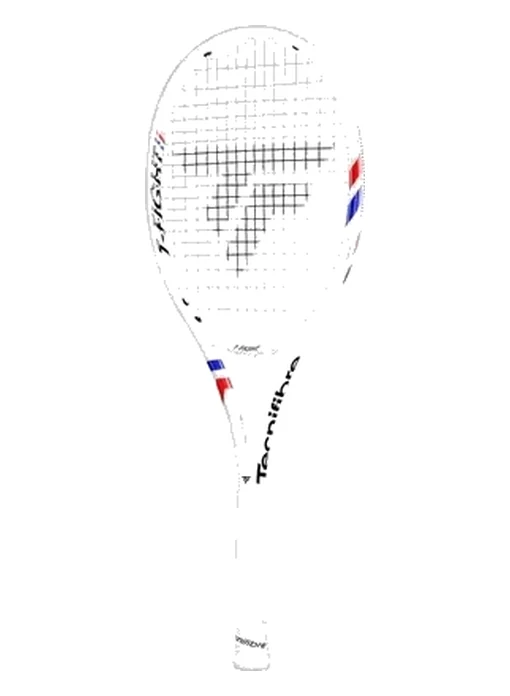
Product photograph: PDH Sports ↗ Tecnifibre A 255 g, 100 sq in option to compare a frame for singles and doubles. This assessment uses published specifications, not a play-test.
No recent UK quote recorded.
Trade-off: At 255 g, check stability against pace as well as quick preparation; a lower static weight does not prove a lower swingweight.
Add to compare Save to locker
270 g, 100 sq in, 16 × 19 Frame diagram. A photo of this exact generation is still being checked. Tecnifibre A 270 g, 100 sq in option to compare a frame for singles and doubles. This assessment uses published specifications, not a play-test.
No recent UK quote recorded.
Trade-off: At 270 g, check stability against pace as well as quick preparation; a lower static weight does not prove a lower swingweight.
Add to compare Save to locker
285 g, 100 sq in, 16 × 19 Frame diagram. A photo of this exact generation is still being checked. Tecnifibre A 285 g, 100 sq in option to compare a frame for singles and doubles. This assessment uses published specifications, not a play-test.
No recent UK quote recorded.
Trade-off: At 285 g, check stability against pace as well as quick preparation; a lower static weight does not prove a lower swingweight.
Add to compare Save to locker
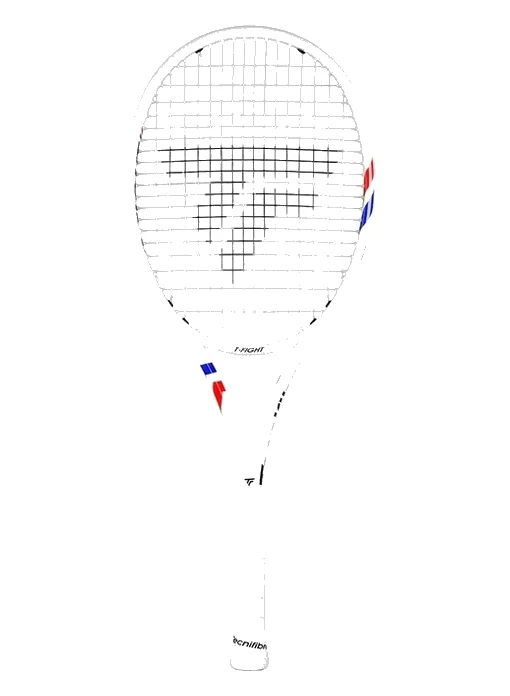
Product photograph: All Things Tennis ↗ Tecnifibre A 300 g, 100 sq in option to compare a frame for singles and doubles. This assessment uses published specifications, not a play-test.
No recent UK quote recorded.
Trade-off: Check depth and directional control with your normal swing. Published weight and head size cannot predict your own result.
Add to compare Save to locker
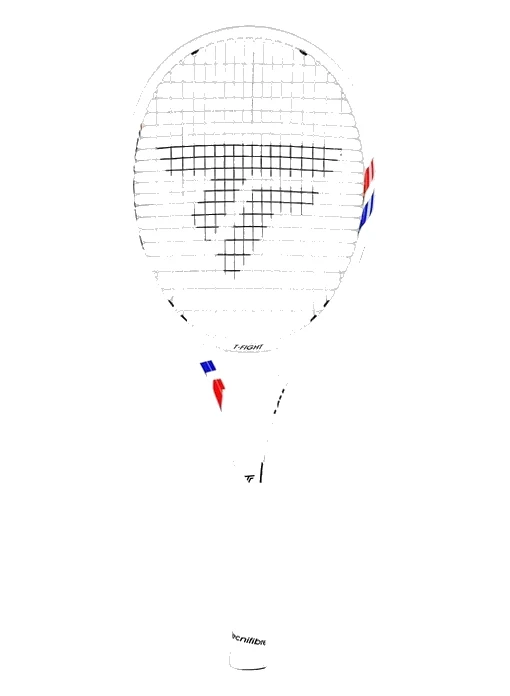
Product photograph: PDH Sports ↗ Tecnifibre A 300 g, 98 sq in option to compare a frame for singles and doubles. This assessment uses published specifications, not a play-test.
No recent UK quote recorded.
Trade-off: Check depth and directional control with your normal swing. Published weight and head size cannot predict your own result.
Add to compare Save to locker
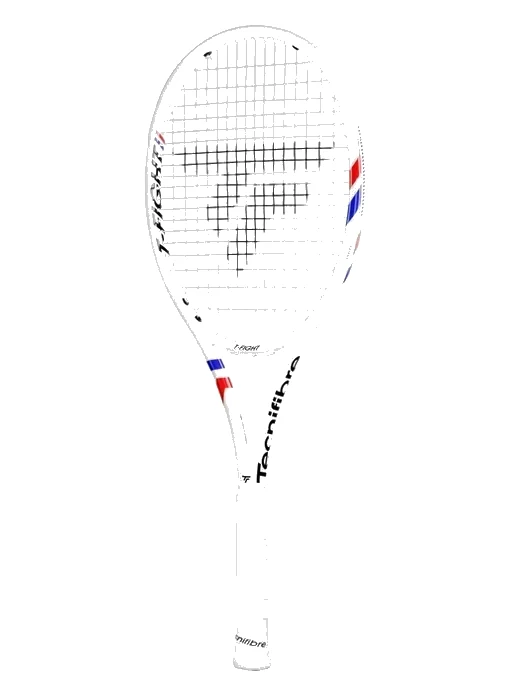
Product photograph: PDH Sports ↗ Tecnifibre A 305 g, 98 sq in option to compare a frame for singles and doubles. This assessment uses published specifications, not a play-test.
No recent UK quote recorded.
Trade-off: Check depth and directional control with your normal swing. Published weight and head size cannot predict your own result.
Add to compare Save to locker
Product photograph: PDH Sports ↗ Tecnifibre A 315 g, 98 sq in option to compare a frame for singles and doubles. This assessment uses published specifications, not a play-test.
No recent UK quote recorded.
Trade-off: The 98 sq in head and 315 g frame make this a demanding comparison: watch preparation and off-centre contact.
Add to compare Save to locker
Product photograph: All Things Tennis ↗ Wilson 285 g and 100 sq in: a current Blade option to compare if you want an all-court balance of depth and control.
No recent UK quote recorded.
Trade-off: The lower static weight can make preparation easier, but test stability against pace and blocked returns before assuming lighter is better.
Add to compare Save to locker
Product photograph: PDH Sports ↗ Wilson 290 g and 104 sq in: a current Blade option to compare if you want an all-court balance of depth and control.
No recent UK quote recorded.
Trade-off: Check that any extra depth or spin remains predictable when you accelerate. A specification advantage is not a guarantee that you will play better. The extended length also needs a separate check on serves, returns and quick exchanges.
Add to compare Save to locker
Product photograph: All Things Tennis ↗ Yonex A 265 g, 100 sq in option to compare a frame for singles and doubles. This assessment uses published specifications, not a play-test.
No recent UK quote recorded.
Trade-off: At 265 g, check stability against pace as well as quick preparation; a lower static weight does not prove a lower swingweight.
Add to compare Save to locker
Product photograph: Tennis-Point UK ↗ Yonex A 280 g, 107 sq in option to compare a frame for singles and doubles. This assessment uses published specifications, not a play-test.
No recent UK quote recorded.
Trade-off: At 280 g, check stability against pace as well as quick preparation; a lower static weight does not prove a lower swingweight.
Add to compare Save to locker
Product photograph: Tennis-Point UK ↗ Yonex A 305 g, 98 sq in option to compare a frame for singles and doubles. This assessment uses published specifications, not a play-test.
No recent UK quote recorded.
Trade-off: Check depth and directional control with your normal swing. Published weight and head size cannot predict your own result.
Add to compare Save to locker