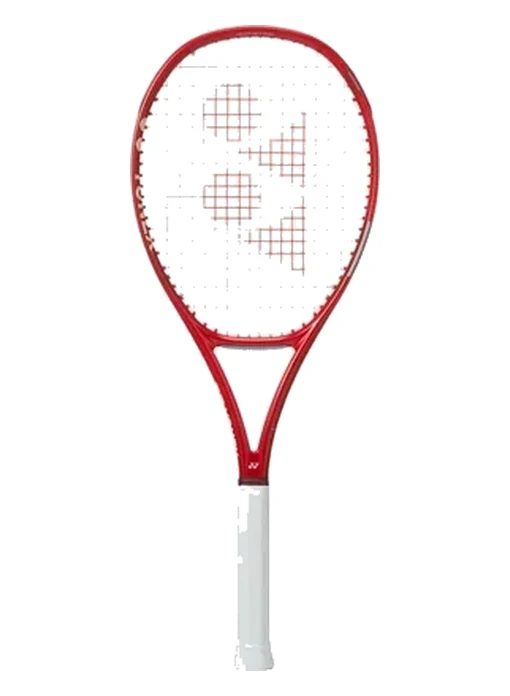
Grouping is our editorial classification or the manufacturer’s published specification. Rackets with a dated UK price are listed first; order is not a ranking and retailer commission plays no part.
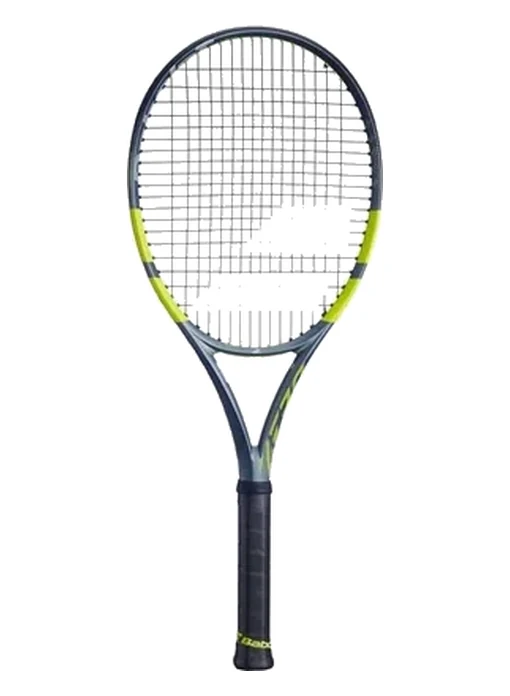
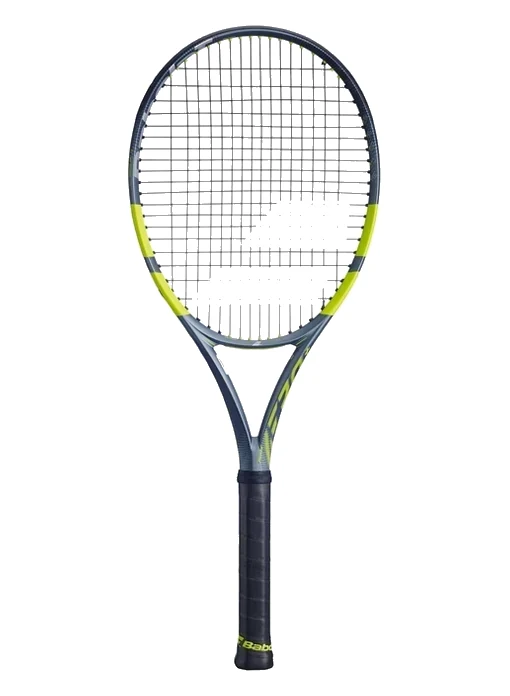
Product photograph: All Things Tennis ↗ Babolat Babolat’s topspin racket, for baseliners who like the ball to dip into the court.
£250.00 Babolat, unstrung, checked 13 November 2026 Check at Babolat ↗ Trade-off: A spin-focused frame still needs a full swing. Demo it alongside a more neutral racket and compare control on flatter shots, returns and volleys.
Add to compare Save to locker
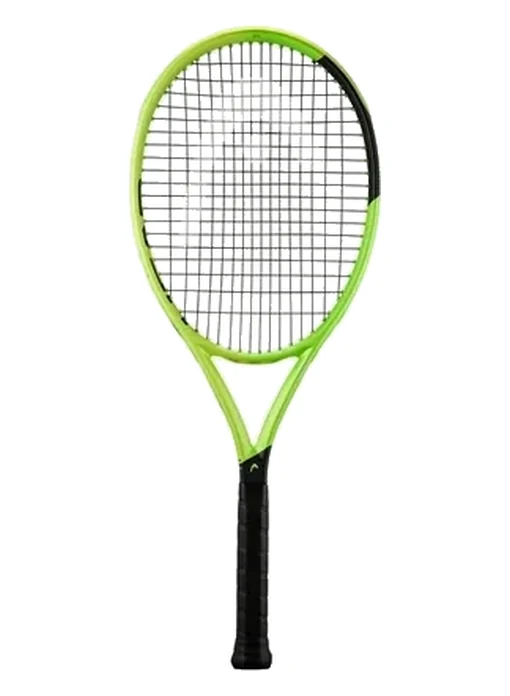
Product photograph: All Things Tennis ↗ Head Head’s topspin racket, a 300 g MP for players who build points with heavy forehands.
£178.00 Pro:Direct, unstrung, checked 23 November 2026 Check at Pro:Direct ↗ Trade-off: Check you can still control depth on a full swing. The Pro and MP XL are different rackets, so don’t mix them up.
Add to compare Save to locker
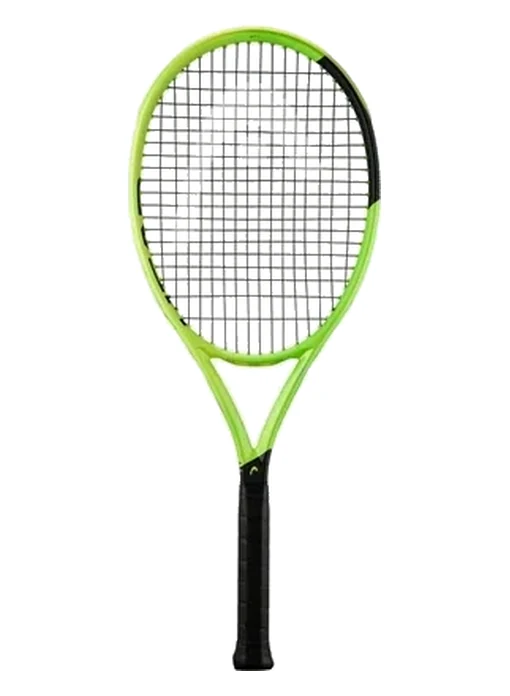
Product photograph: All Things Tennis ↗ Head 280 g and 100 sq in: a current Extreme option to compare if you want a heavier, more dipping rally ball.
£190.00 HEAD, unknown, checked 13 October 2026 Check at HEAD ↗ Trade-off: The lower static weight can make preparation easier, but test stability against pace and blocked returns before assuming lighter is better.
Add to compare Save to locker
260 g, 100 sq in, 16 × 19 Frame diagram. A photo of this exact generation is still being checked. Head 260 g unstrung, 100 sq in spin-focused frame; a lighter, easier-swinging version of the 2026 Extreme.
£190.00 HEAD, unknown, checked 13 October 2026 Check at HEAD ↗ Trade-off: HEAD positions the range around spin and power, but those performance claims are manufacturer positioning. Check control on flatter shots and stability on returns before choosing it.
Add to compare Save to locker
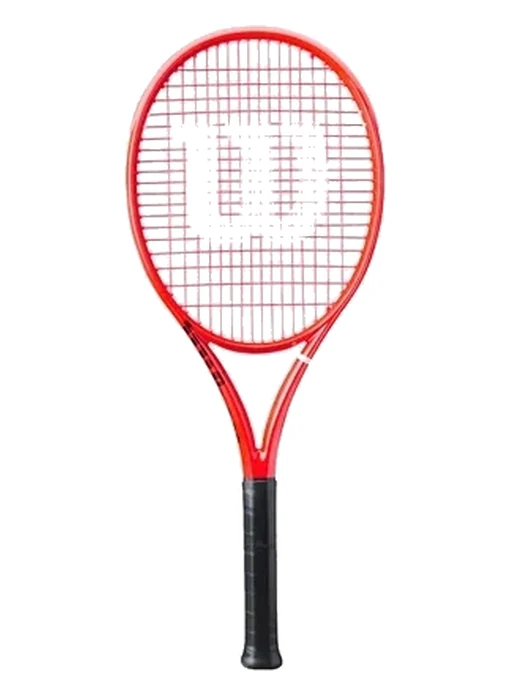
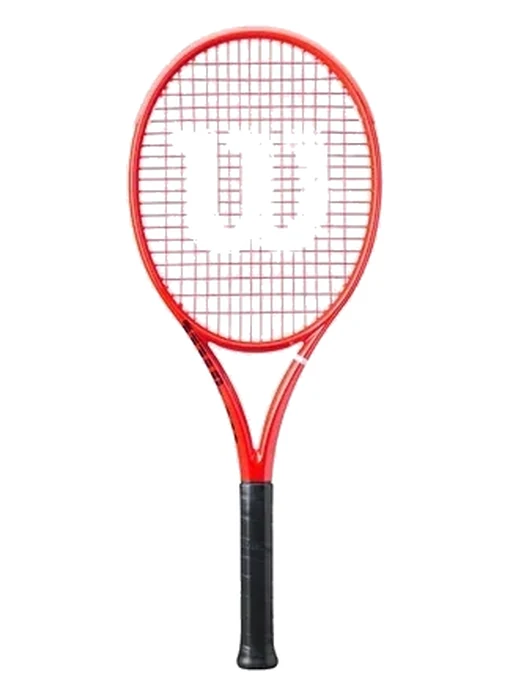
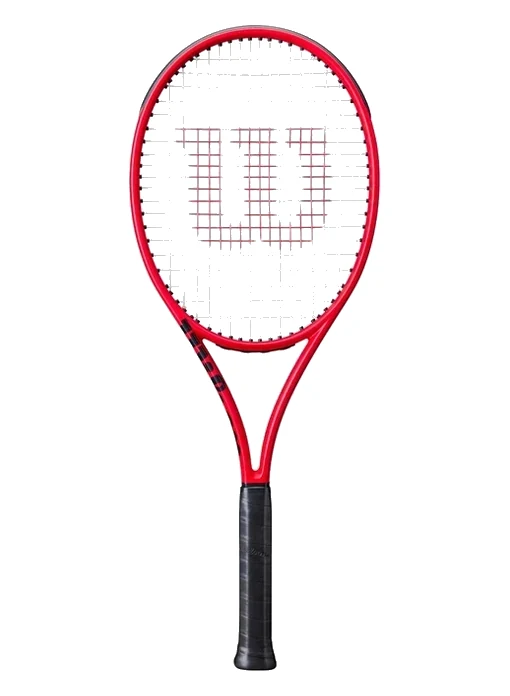
Product photograph: All Things Tennis ↗ Wilson The standard 300 g Defyer, with a 100 sq in head and 16×19 pattern. This assessment uses published specifications, not a play-test.
£245.00 Wilson, unknown, checked 13 November 2026 Check at Wilson ↗ Trade-off: A spin-focused design does not guarantee more useful spin for your swing. Compare depth, launch angle and control on flatter shots as well as topspin rallies.
Add to compare Save to locker
265 g, 100 sq in, 16 × 19 Frame diagram. A photo of this exact generation is still being checked. Wilson The lightest Defyer at 265 g unstrung, with a 100 sq in head. This assessment uses published specifications, not a play-test.
£230.00 Wilson, unknown, checked 23 November 2026 Check at Wilson ↗ Trade-off: At 265 g, check stability and depth against faster incoming balls. A very light frame can be easy to swing without necessarily being the best match under pressure.
Add to compare Save to locker
Product photograph: All Things Tennis ↗ Wilson A lighter 285 g Defyer with a 100 sq in head for easier preparation. This assessment uses published specifications, not a play-test.
£175.90 Tennis-Point, unstrung, checked 23 November 2026 Check at Tennis-Point ↗ Trade-off: Lower static weight can be easier to move but may feel less stable against pace. Test returns and off-centre contact before assuming lighter is better.
Add to compare Save to locker
Product photograph: All Things Tennis ↗ Wilson A 305 g, 98 sq in spin-focused frame for confident, fast swings. This assessment uses published specifications, not a play-test.
£199.90 Tennis-Point, unstrung, checked 23 November 2026 Check at Tennis-Point ↗ Trade-off: At 305 g with a 98 sq in head, it is the most demanding Defyer in the range. Check late contact, defensive depth and return preparation before choosing it over the 100.
Add to compare Save to locker
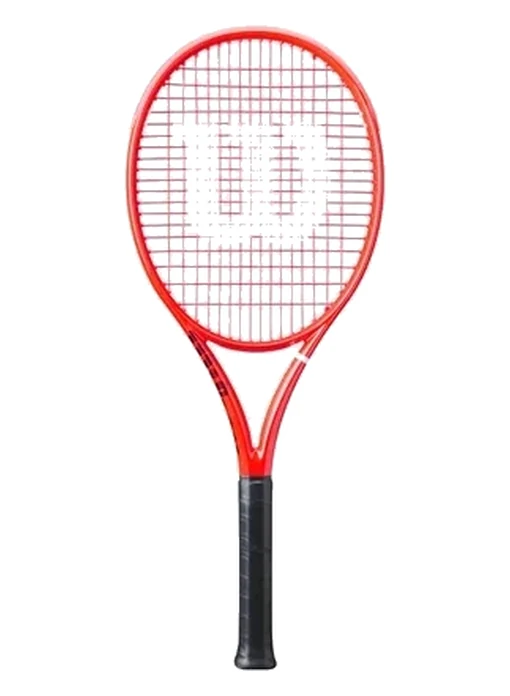
Product photograph: Tennis-Point UK ↗ Wilson Wilson’s topspin racket: 300 g, with a 99 sq in head and a 16×20 string pattern.
£179.90 Tennis-Point, unstrung, checked 21 November 2026 Check at Tennis-Point ↗ Trade-off: Your swing and strings still do most of the work. Judge it on depth and placement, not on the spin label.
Add to compare Save to locker
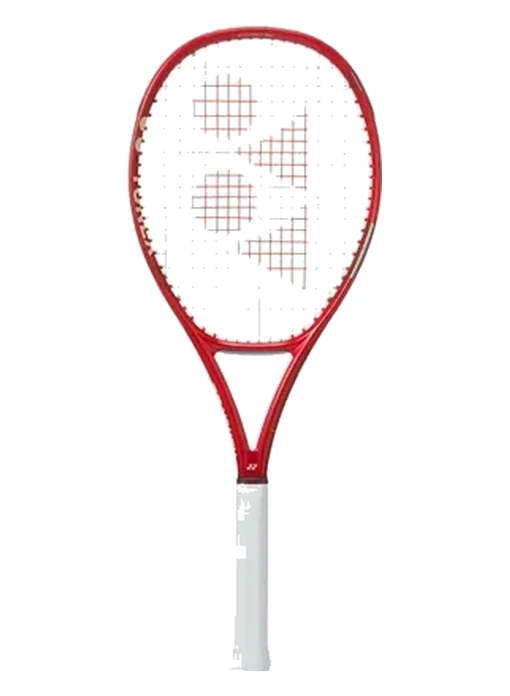
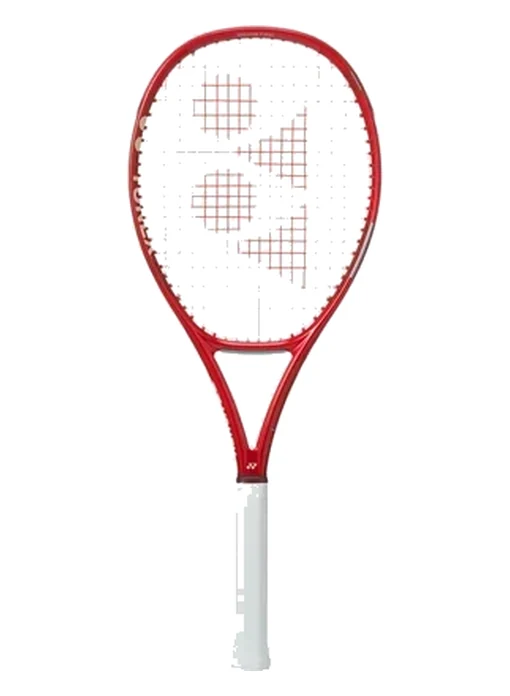
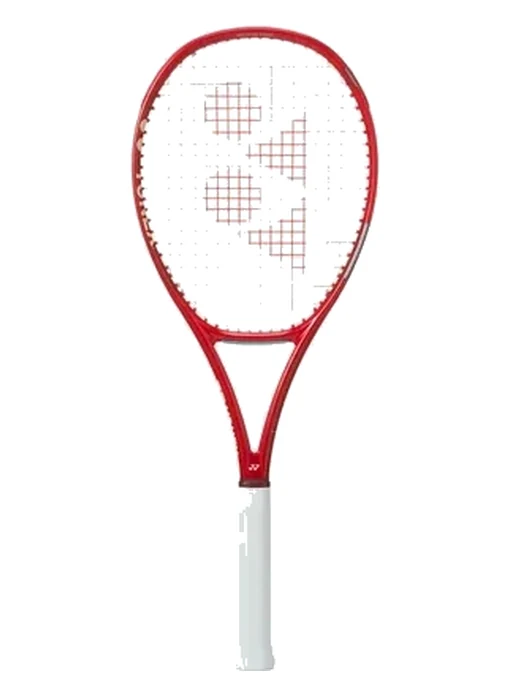
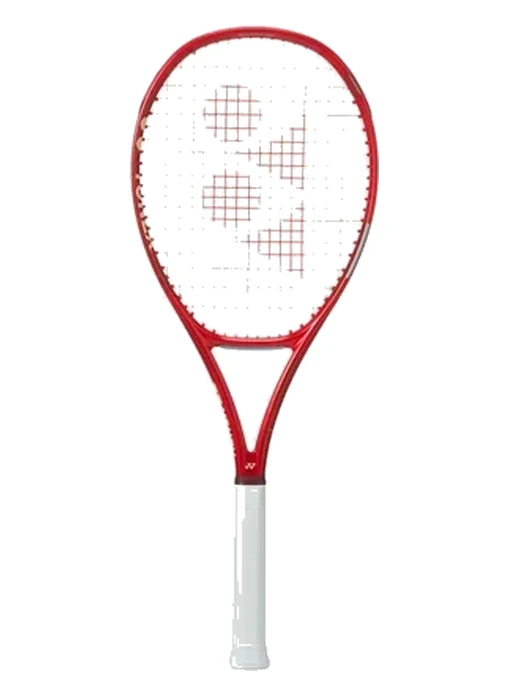
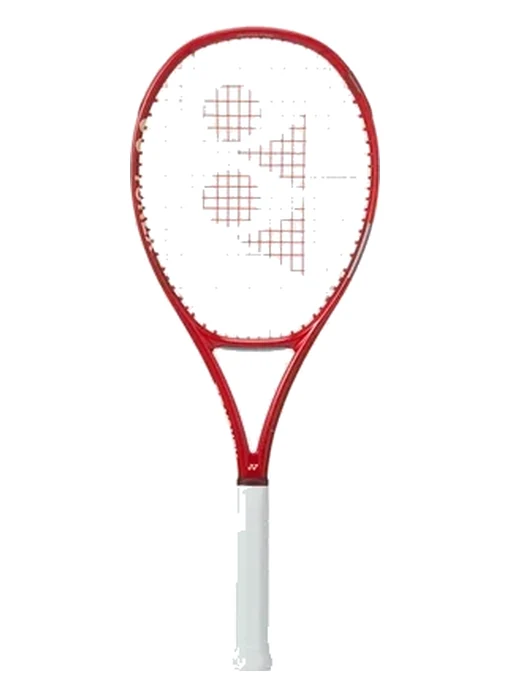
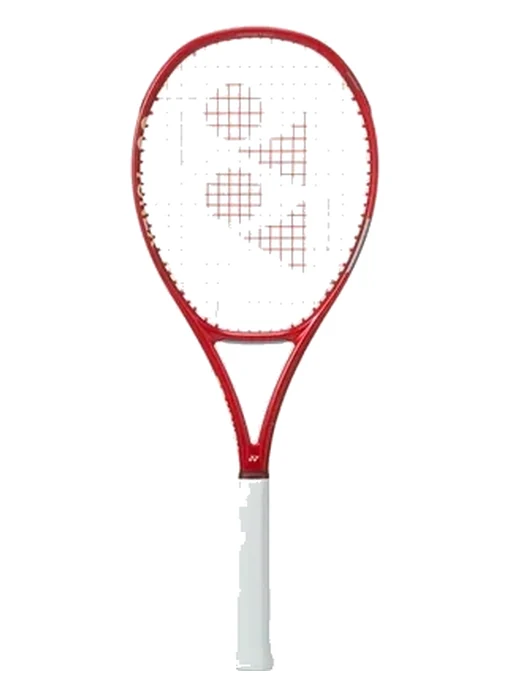
Product photograph: All Things Tennis ↗ Yonex Yonex’s topspin racket for baseliners: 300 g with a 100 sq in head.
£199.99 All Things Tennis, unstrung, checked 23 November 2026 Check at All Things Tennis ↗ Trade-off: A spin racket won’t swing for you. Check that you can still place flatter shots with confidence.
Add to compare Save to locker
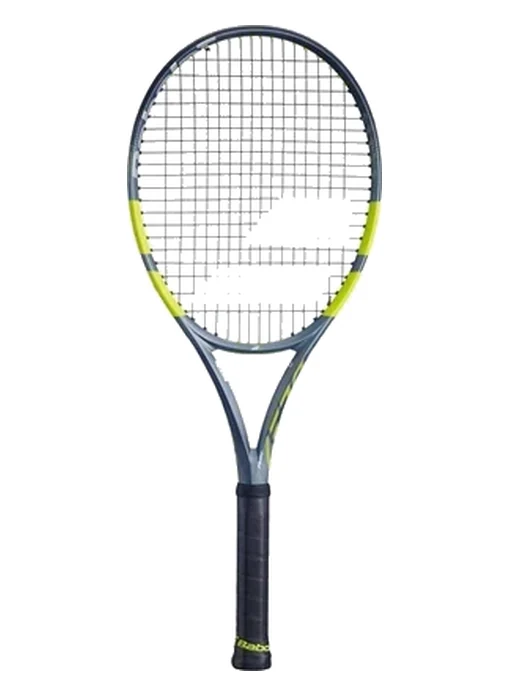
Product photograph: Tennis-Point UK ↗ Babolat 300 g and 100 sq in: a current Pure Aero option to compare if you want a heavier, more dipping rally ball.
No recent UK quote recorded.
Trade-off: Check that any extra depth or spin remains predictable when you accelerate. A specification advantage is not a guarantee that you will play better. The extended length also needs a separate check on serves, returns and quick exchanges.
Add to compare Save to locker
Product photograph: All Things Tennis ↗ Babolat 305 g and 98 sq in: a current Pure Aero option to compare if you want a heavier, more dipping rally ball.
No recent UK quote recorded.
Trade-off: The smaller head asks for cleaner contact. Compare defensive depth and off-centre shots as well as your best full swings.
Add to compare Save to locker
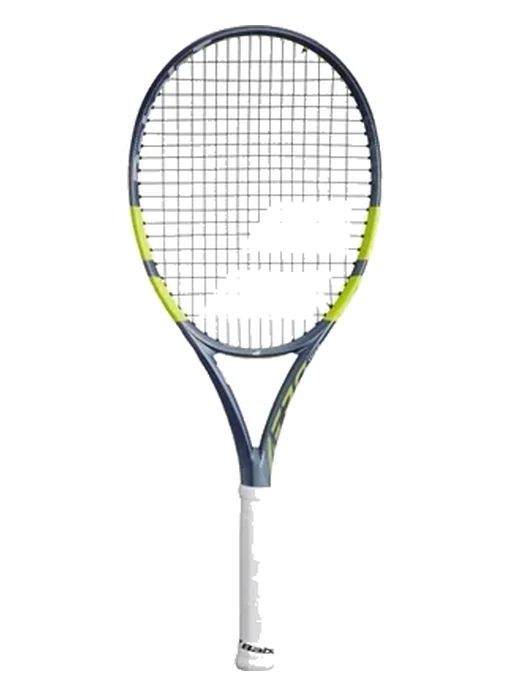
Product photograph: All Things Tennis ↗ Babolat 285 g and 100 sq in: a current Pure Aero option to compare if you want a heavier, more dipping rally ball.
No recent UK quote recorded.
Trade-off: The lower static weight can make preparation easier, but test stability against pace and blocked returns before assuming lighter is better.
Add to compare Save to locker
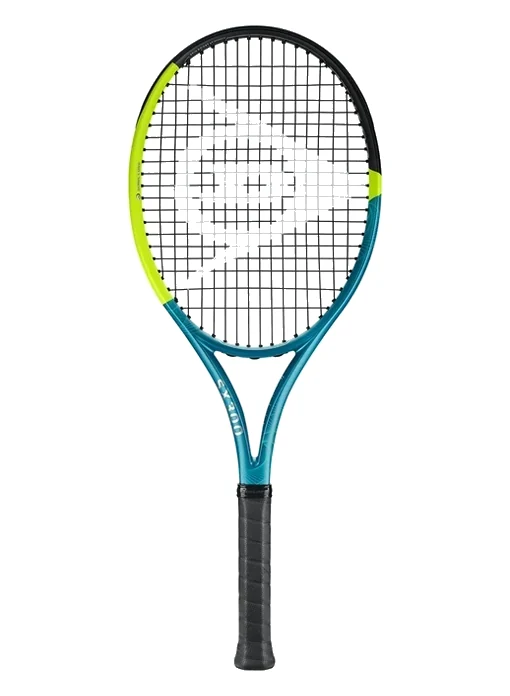
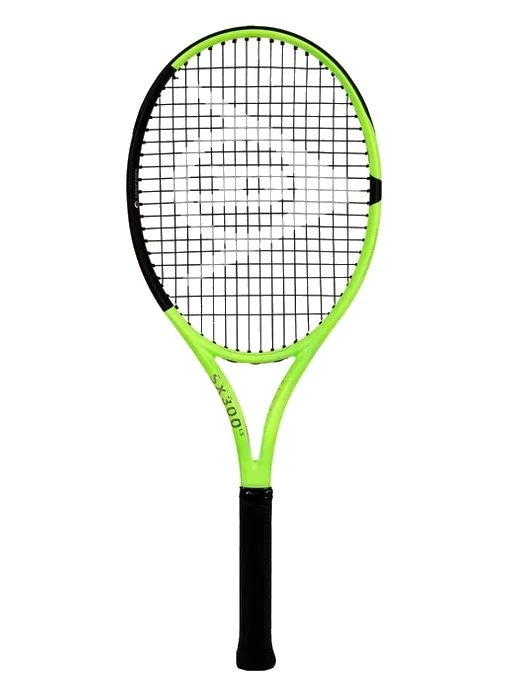
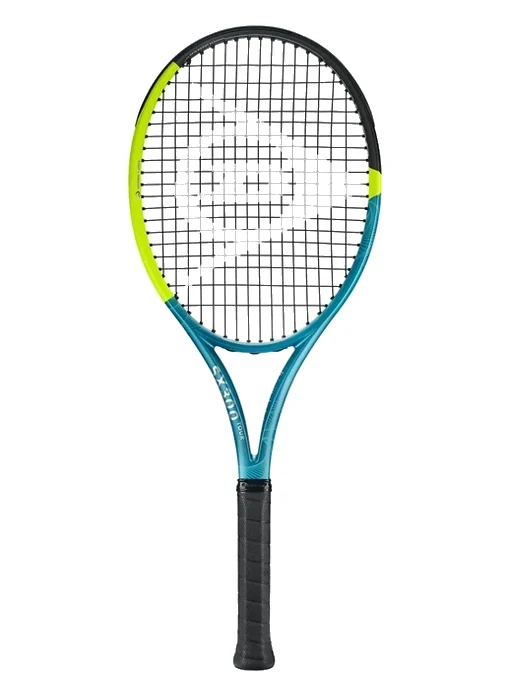
Product photograph: Tennis-Point UK ↗ Dunlop A 300 g, 100 sq in option to compare spin and rally-ball shape. This assessment uses published specifications, not a play-test.
No recent UK quote recorded.
Trade-off: Check depth and directional control with your normal swing. Published weight and head size cannot predict your own result.
Add to compare Save to locker
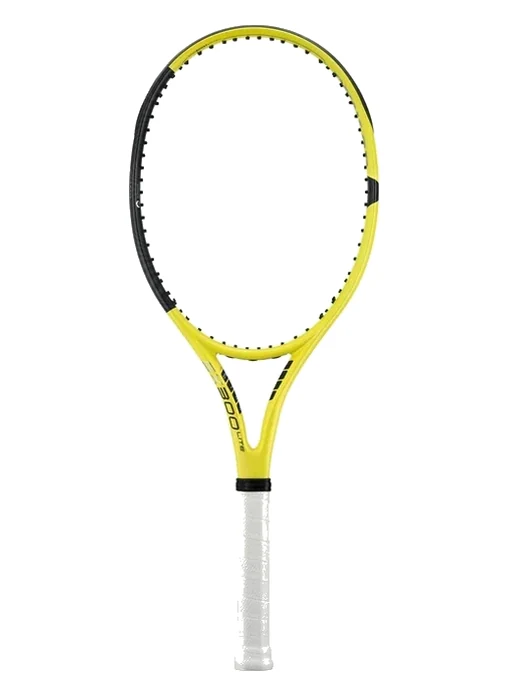
Product photograph: Tennis-Point UK ↗ Dunlop A 285 g, 100 sq in option to compare spin and rally-ball shape. This assessment uses published specifications, not a play-test.
No recent UK quote recorded.
Trade-off: At 285 g, check stability against pace as well as quick preparation; a lower static weight does not prove a lower swingweight.
Add to compare Save to locker
Product photograph: Sweatband ↗ Dunlop A 270 g, 100 sq in option to compare spin and rally-ball shape. This assessment uses published specifications, not a play-test.
No recent UK quote recorded.
Trade-off: At 270 g, check stability against pace as well as quick preparation; a lower static weight does not prove a lower swingweight.
Add to compare Save to locker
Product photograph: Tennis-Point UK ↗ Dunlop A 305 g, 98 sq in option to compare spin and rally-ball shape. This assessment uses published specifications, not a play-test.
No recent UK quote recorded.
Trade-off: Check depth and directional control with your normal swing. Published weight and head size cannot predict your own result.
Add to compare Save to locker
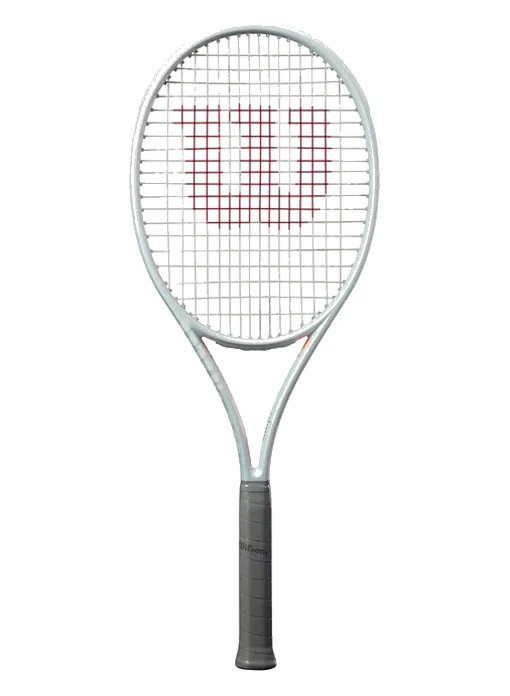
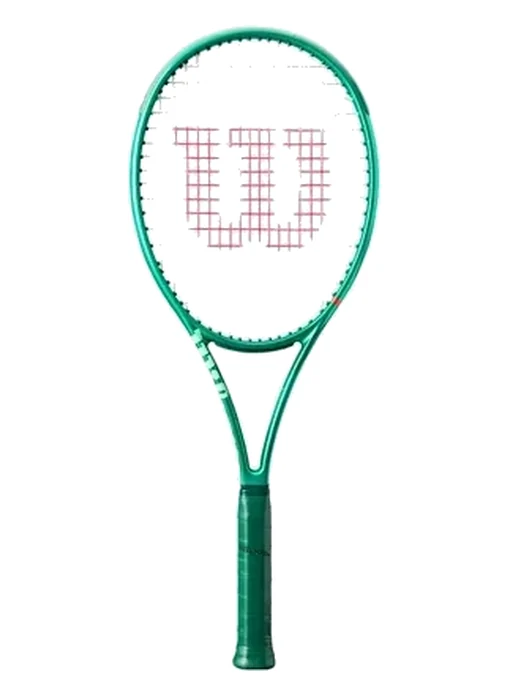
Product photograph: All Things Tennis ↗ Wilson 295 g and 98 sq in: a current Blade option to compare if you want a heavier, more dipping rally ball.
No recent UK quote recorded.
Trade-off: The smaller head asks for cleaner contact. Compare defensive depth and off-centre shots as well as your best full swings.
Add to compare Save to locker
Product photograph: Tennis-Point UK ↗ Wilson 285 g and 99 sq in: a current Shift option to compare if you want a heavier, more dipping rally ball.
No recent UK quote recorded.
Trade-off: The lower static weight can make preparation easier, but test stability against pace and blocked returns before assuming lighter is better.
Add to compare Save to locker
Product photograph: All Things Tennis ↗ Yonex A 300 g, 100 sq in option to compare spin and rally-ball shape. This assessment uses published specifications, not a play-test.
No recent UK quote recorded.
Trade-off: Check depth and directional control with your normal swing. Published weight and head size cannot predict your own result. The extra length needs a separate test on serves, returns and close volleys.
Add to compare Save to locker
Product photograph: All Things Tennis ↗ Yonex A 305 g, 100 sq in option to compare spin and rally-ball shape. This assessment uses published specifications, not a play-test.
No recent UK quote recorded.
Trade-off: Check depth and directional control with your normal swing. Published weight and head size cannot predict your own result.
Add to compare Save to locker
Product photograph: All Things Tennis ↗ Yonex A 280 g, 100 sq in option to compare spin and rally-ball shape. This assessment uses published specifications, not a play-test.
No recent UK quote recorded.
Trade-off: At 280 g, check stability against pace as well as quick preparation; a lower static weight does not prove a lower swingweight.
Add to compare Save to locker
Product photograph: All Things Tennis ↗ Yonex A 310 g, 95 sq in option to compare spin and rally-ball shape. This assessment uses published specifications, not a play-test.
No recent UK quote recorded.
Trade-off: The 95 sq in head and 310 g frame make this a demanding comparison: watch preparation and off-centre contact.
Add to compare Save to locker
Product photograph: All Things Tennis ↗ Yonex A 305 g, 98 sq in option to compare spin and rally-ball shape. This assessment uses published specifications, not a play-test.
No recent UK quote recorded.
Trade-off: Check depth and directional control with your normal swing. Published weight and head size cannot predict your own result.
Add to compare Save to locker
Product photograph: All Things Tennis ↗ Yonex A 315 g, 98 sq in option to compare spin and rally-ball shape. This assessment uses published specifications, not a play-test.
No recent UK quote recorded.
Trade-off: The 98 sq in head and 315 g frame make this a demanding comparison: watch preparation and off-centre contact.
Add to compare Save to locker
Product photograph: All Things Tennis ↗ Yonex A 305 g, 98 sq in option to compare spin and rally-ball shape. This assessment uses published specifications, not a play-test.
No recent UK quote recorded.
Trade-off: Check depth and directional control with your normal swing. Published weight and head size cannot predict your own result. The extra length needs a separate test on serves, returns and close volleys.
Add to compare Save to locker
Product photograph: All Things Tennis ↗ Yonex A 285 g, 98 sq in option to compare spin and rally-ball shape. This assessment uses published specifications, not a play-test.
No recent UK quote recorded.
Trade-off: At 285 g, check stability against pace as well as quick preparation; a lower static weight does not prove a lower swingweight.
Add to compare Save to locker