Type
Synthetic gut, multifilament, polyester or a hybrid. How often you break strings and how you want the racket to feel point you to one.
Start with two questions: how often do you break strings, and how do you want the racket to feel? Then agree the type, thickness and tension with your stringer.
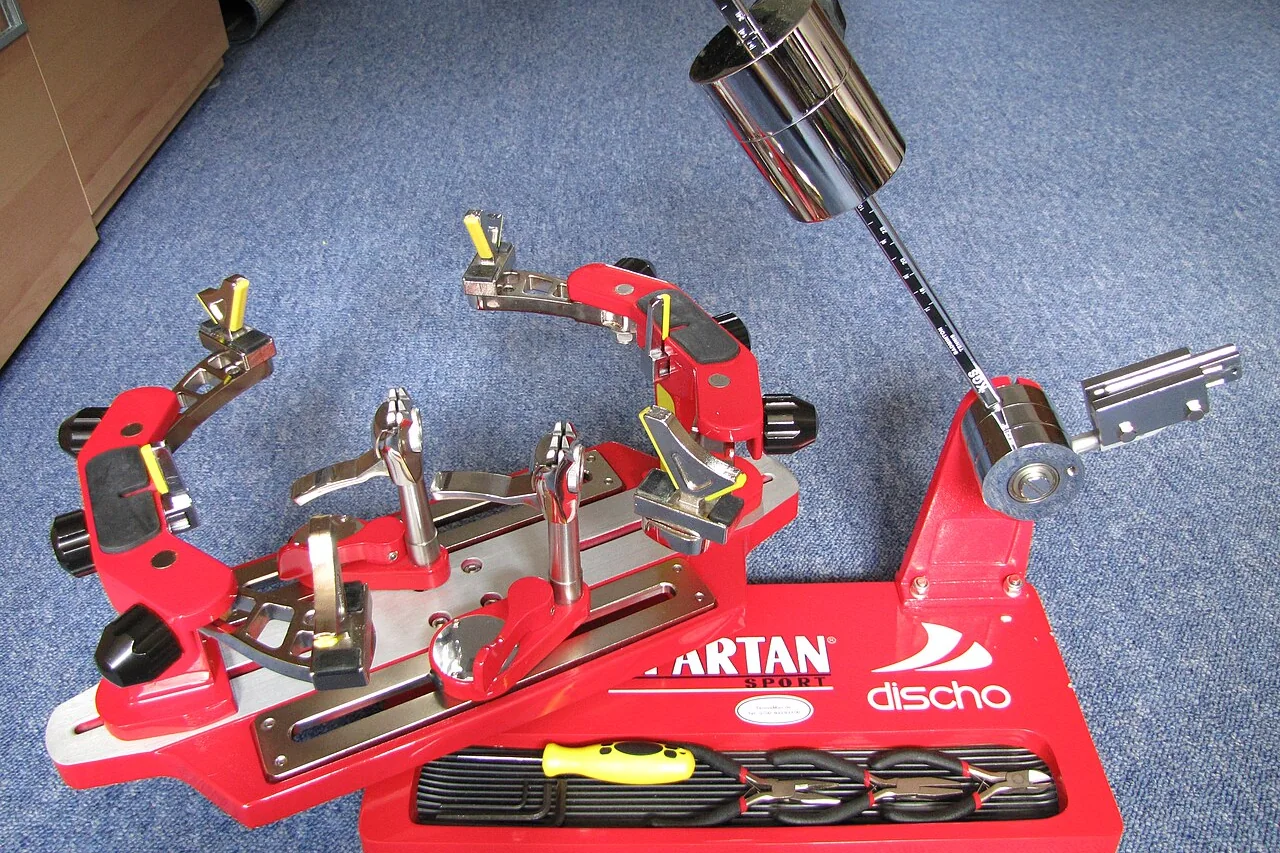
Find a response you can repeat on a club night, a league match or a weekend hit.
Synthetic gut, multifilament, polyester or a hybrid. How often you break strings and how you want the racket to feel point you to one.
Gauge means thickness. Thicker strings usually last longer before they break.
Agree one with your stringer and write it down so you can repeat it.
How tightly the strings are pulled. Start within the maker’s recommended range.
Tell your stringer what you use now and what you’d like to change.
Change the string or the tension, not both at once. Otherwise you won’t know which one helped.
Start with how often you break strings, then think about comfort.
A nylon string, commonly with a solid core and outer wraps. Usually a responsive, moderately soft feel with accessible depth and a lower fitted cost.
On court: a useful baseline for comparing touch, launch and control. You can still hit topspin; technique creates the spin, and the string does not need to be polyester.
Trade-off: it can move, notch and break sooner than poly for heavy hitters. Start here if you rarely break strings and want a repeatable, affordable setup.
Many fine fibres bundled together. Typically a cushioned, lively response: useful when you want easier depth, touch on volleys or a less firm impact.
On court: the extra response can help a compact swing. If you already hit long, compare launch and depth before deciding that softer means better control.
Trade-off: often costs more than synthetic gut and can fray or notch. Heavy topspin hitters may wear it quickly. Construction varies, so two multis can feel different.
Usually a firmer, lower-powered response than nylon. Players who generate their own pace may like the predictable depth on a fast swing.
Spin: low friction between strings can let the mains slide and spring back during impact. That can assist spin, but depends on the exact strings, wear and your swing. A shaped surface alone does not guarantee more spin.
Trade-off: surviving without breaking is not the same as staying playable. Tension and response can change before it snaps. A label such as “soft poly” does not make it equivalent to a soft nylon setup.
Different strings in the vertical mains and horizontal crosses. Record which goes where: gut or multi mains with poly crosses is a different setup from poly mains with a softer cross.
On court: a way to balance response, feel and string movement. The mains strongly influence the response, while friction and wear at the crossings also matter.
Trade-off: the softer string can notch against a firmer partner, and a poly component still needs timely replacement. A hybrid is not automatically comfortable or longer-lasting.
Answer three quick questions to see a practical starting setup, tension advice and dated UK set prices.
Notice impact firmness, feedback and touch on a short volley. “Crisp”, “muted” and “soft” describe different sensations; none is a universal quality score.
Compare ball shape and bounce using the same swing. Main-string sliding and snapback can contribute; strings stuck in place after a rally are not a direct measurement of what happened during impact.
Judge repeatable launch and depth, not just whether the string feels firm. A low-powered string that makes you force the swing may be less useful than a responsive setup you can repeat.
Use diameter in millimetres when comparing gauges: numbering varies. A thinner version may feel more responsive but can wear sooner; thickness alone cannot predict spin. Higher reference tension usually makes the same setup firmer, while lower tension usually gives a more yielding response. Neither is a guarantee of accuracy or spin.
There is no universal tension for all materials or rackets. Keep within the frame’s guidance and agree a starting point with your stringer. When changing material, do not assume the same kilogram or pound number gives the same feel.
Write down the exact string, diameter, mains/crosses, tension and units, date and hours played. Keep the racket and balls the same. Test depth, topspin, a serve and a short volley, then note impact feel and whether you can repeat the shot. Change one variable where practical.
Read the tension study and try its on-court comparison
General material tendencies, not ratings for every product. Source checked 7 October 2026: LTA string guide. Trial advice is our editorial interpretation.
Natural gut is another option for players prioritising feel and comfort. It generally costs more and needs careful handling, especially around moisture. Ask your stringer about the full fitted cost and whether it makes sense for how often you play and break strings.
Tell your stringer when the racket was last strung and how often you play.
No need to think twice. Book it in.
Worth showing your stringer, even if nothing has snapped yet.
A racket that plays differently from one week to the next is worth a look too.
Does it need restringing?Keep the answers. They’re how you get back to a set-up you liked, or change just one thing next time.
Some shops quote for labour alone; others include the string. Add up string, labour and any delivery or urgent fees before you compare.
Labour only £13. With string: synthetic gut £17, Babolat RPM Blast £21, Babolat XL £23. Checked 6 October 2026.
Check prices ↗Labour only £10. With string: synthetic gut £15, Babolat RPM Blast £24, Luxilon 4G £28. Checked 17 November 2026.
Check prices ↗Prices checked 23 November 2026. Confirm the current quote with the shop. Compare UK restringing prices
Check the string name, thickness and packet length before you order, and ask your stringer whether the set will suit your racket.
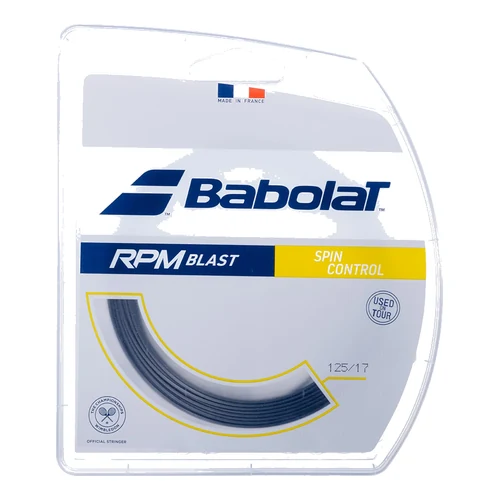
Checked 21 November 2026.
Check price ↗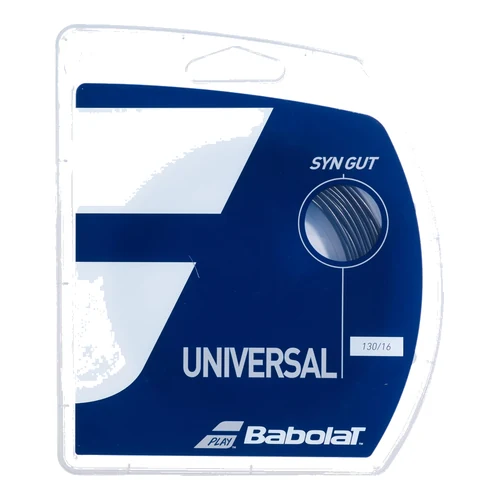
Checked 20 November 2026.
Check price ↗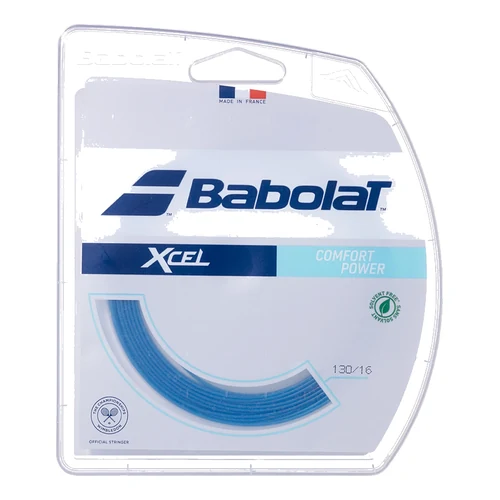
Checked 20 November 2026.
Check price ↗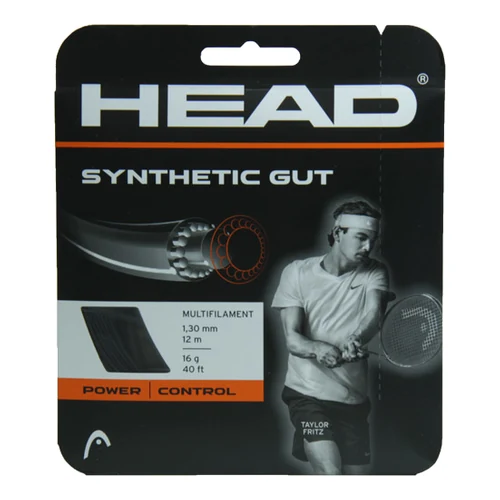
Checked 6 October 2026.
Check price ↗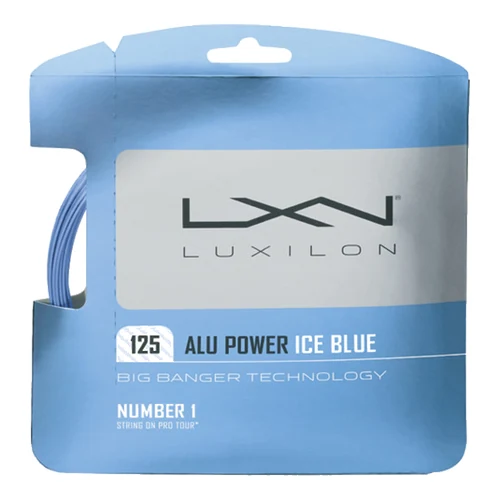
Checked 23 November 2026.
Check price ↗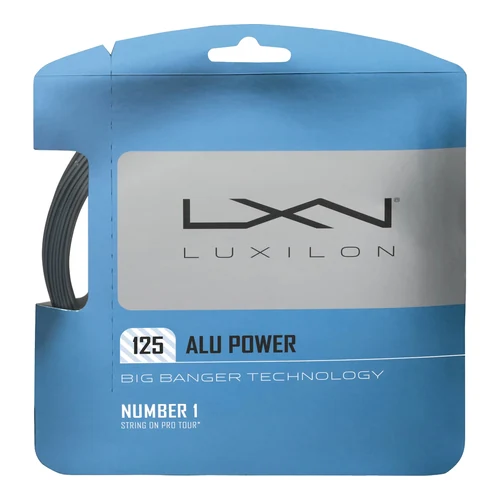
Checked 21 November 2026.
Check price ↗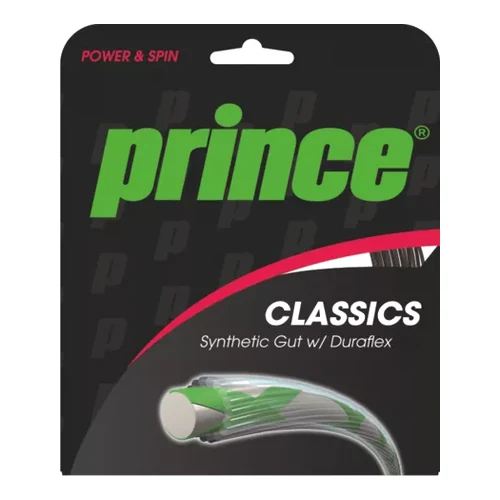
Checked 13 November 2026.
Check price ↗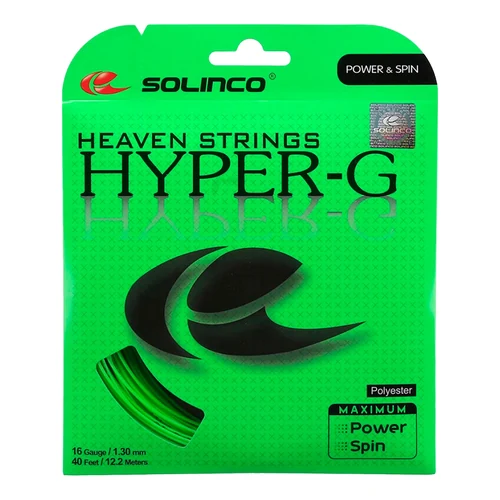
Checked 23 November 2026.
Check price ↗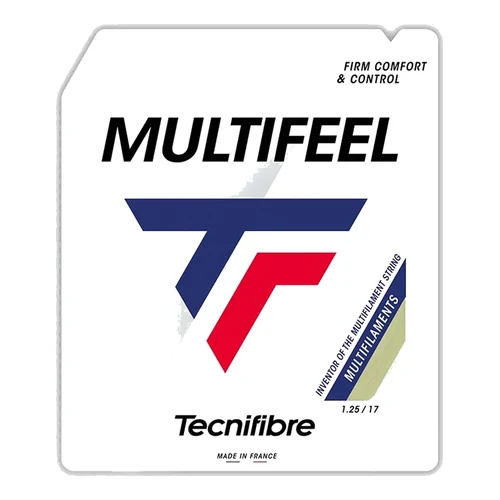
Checked 21 November 2026.
Check price ↗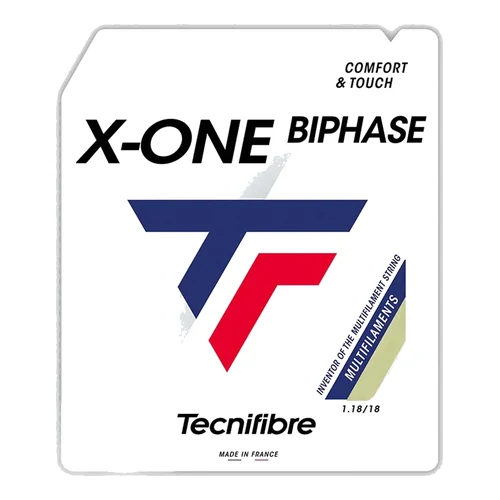
Checked 23 November 2026.
Check price ↗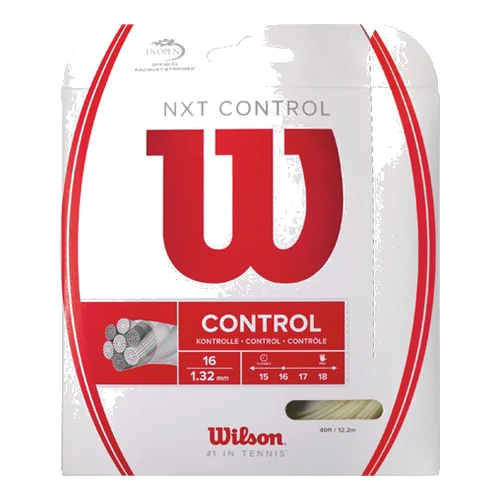
Checked 23 November 2026.
Check price ↗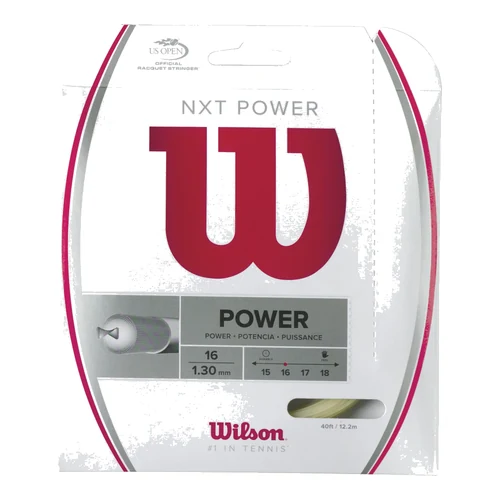
Checked 19 November 2026.
Check price ↗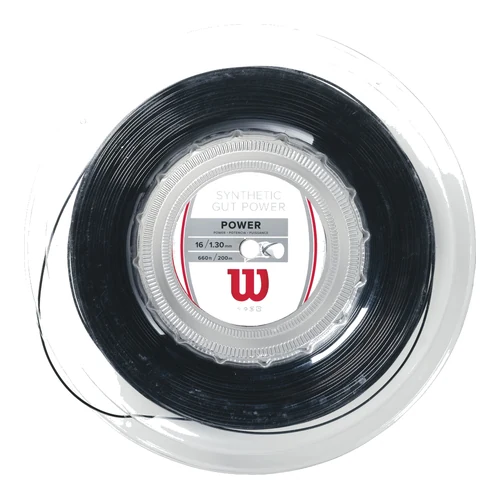
Checked 20 November 2026.
Check price ↗Different colours of the same string aren’t always the same product, so check the exact listing.
Read the guide to buying string sets Compare UK string prices
When to restring and which type of string to ask for.
Open the checklistWhat to check before you buy a set online to take to your stringer.
Read the guideRecent UK prices for string sets and stringing services, each with the date we checked.
See UK prices