Blade 98 vs Speed MP
Choose a demo pair around your on-court problem, then compare both with your current racket.
| Compare | 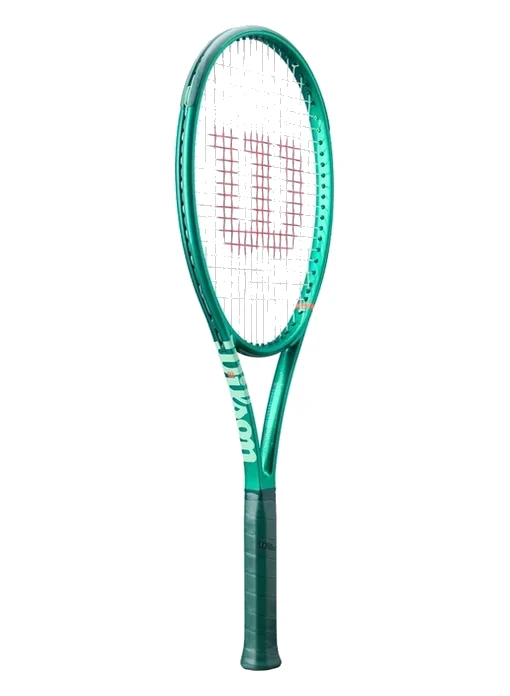 | 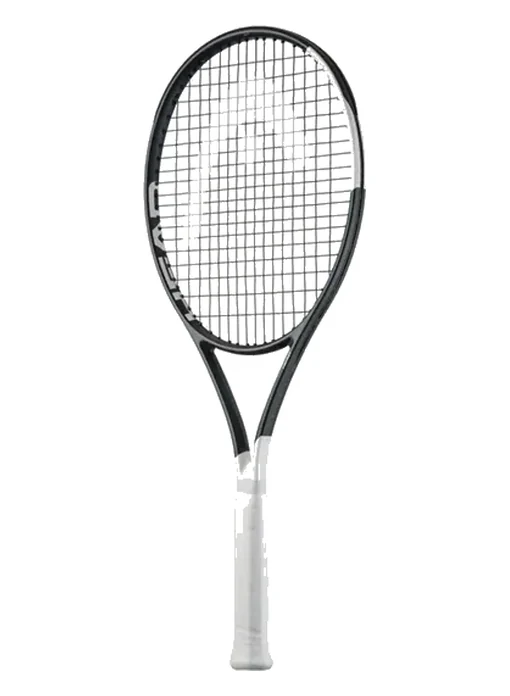 |
|---|---|---|
| Frame weight | 305 g (Unstrung 305 g) | 300 g (Manufacturer-listed 300 g frame weight) |
| Head size | 98 sq in | 100 sq in |
| Balance | 32 cm unstrung / 7 pts HL | 320 mm / 1 in HL |
| Beam | Turbo Taper: 21.5 to 20.5 mm | 23 mm |
| Length | 27 in / 68.6 cm | Not recorded |
| Swingweight | Not published in checked source | Not published in checked source |
| String pattern | 16 × 19 | 16 × 19 |
| Who should demo it | Try it if you make your own pace and like a smaller head. Hit it alongside the Blade 100 to see whether the smaller hitting area helps your placement. | Consider it if you play singles and doubles and want one racket that does a bit of everything. |
| Trade-off | The 98 sq in head asks for clean contact. Stretched wide or late on a quick return, there’s less frame to bail you out. The Blade 100 gives you a little more room. | Check you can still swing it freely at the end of a long session. If your preparation starts to slow, a lighter model may suit you better. |
| UK price snapshot | £179.90 (unstrung) at Tennis-Point ↗, checked 23 November 2026. | £172.00 (unstrung) at Pro:Direct ↗, checked 23 November 2026. |
| Specification check | 7 October 2026 | 7 October 2026 |
Make the demo fair
Use comparable strings, tension and grip sizes. Test rally depth, returns, second serves and late-session handling. A specification advantage is not a guarantee that you will play better.
By The Tennis Shop, updated 6 October 2026. Based on published specifications and dated retailer records. Method and corrections